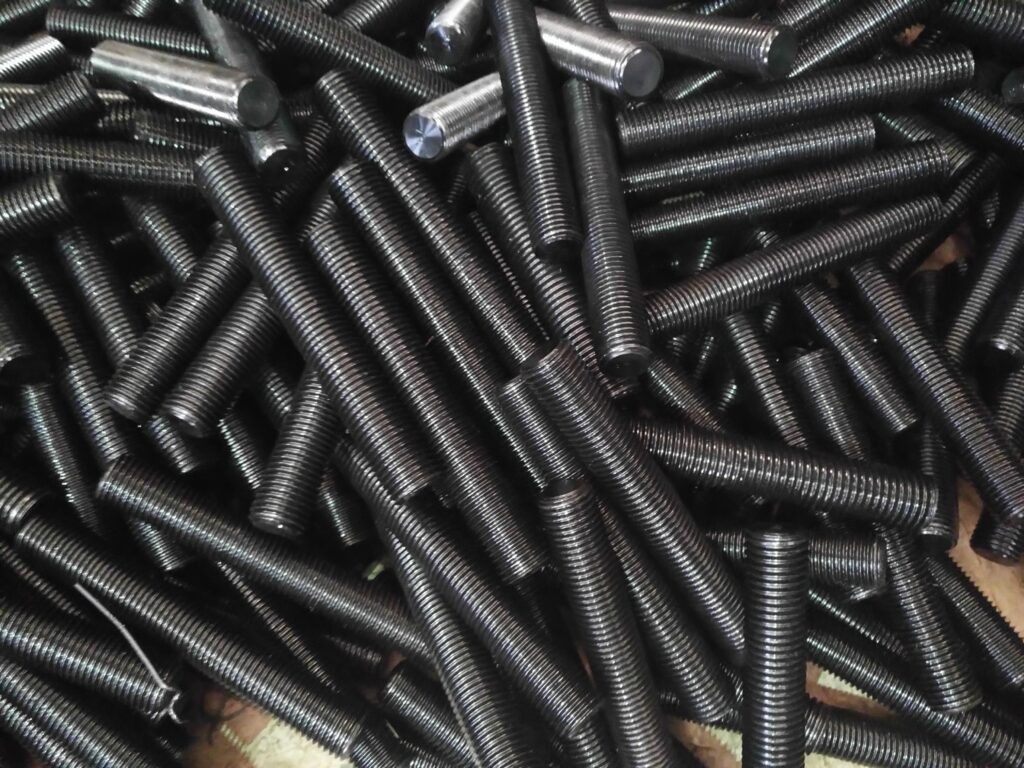
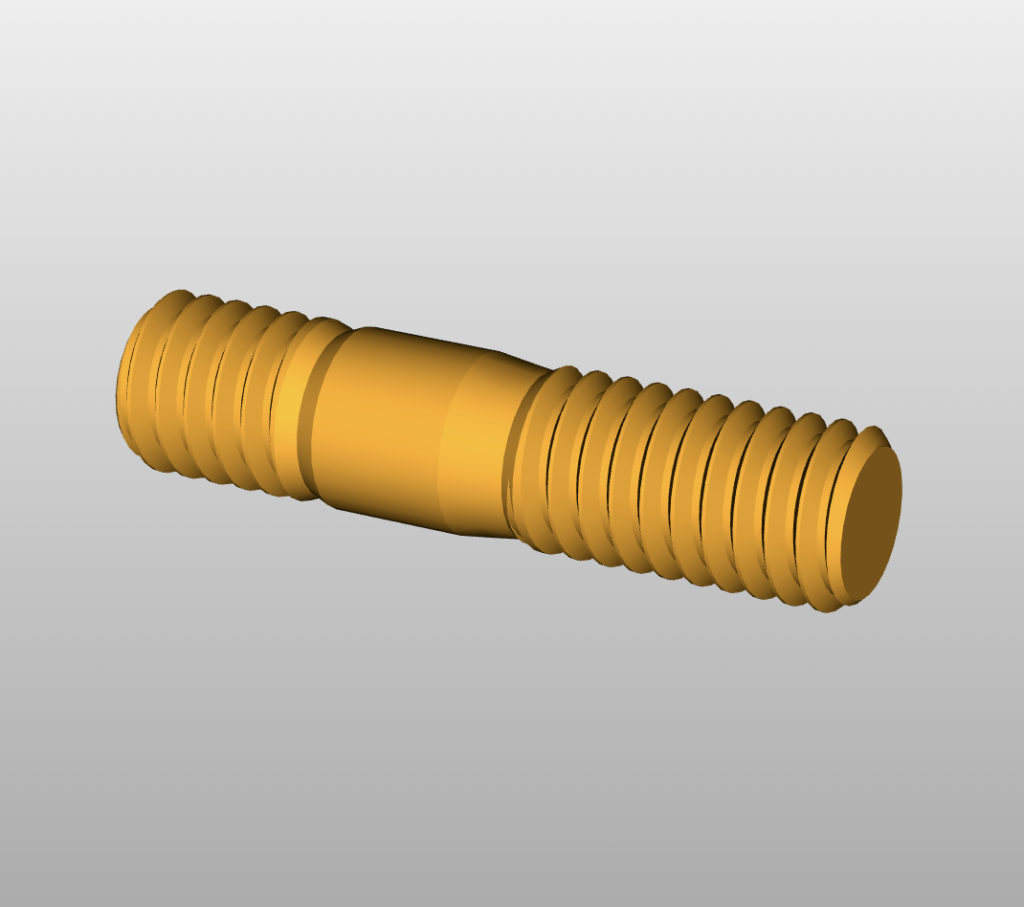
Stud bolts

ASTM A320 L7 bolts

astm a320 l7 bolts

astm a320 l7 bolts production process

The production of ASTM A320 L7 bolts involves multiple steps to ensure they meet the required mechanical and chemical properties for low-temperature bolting applications. Here is a generalized production process for these bolts:

  • Material Selection: Begin with choosing the right grade of chromium-molybdenum alloy steel bar stock that meets the A320 L7 specifications.
  • Cutting: The bar stock is cut to the desired length, based on the intended size of the bolts.
  • Heating: The cut pieces are heated in a furnace to achieve the desired temperature for forging.
  • Forging: Using a press or hammer, the heated pieces are forged into the rough shape of the bolt. This process helps in aligning the grain structure of the steel, improving its mechanical properties.
  • Thread Rolling: Once the bolts are forged and cooled, they undergo a thread rolling process. This is done using two flat dies that have the reverse of the thread profile. When the bolt is rolled between these dies, it forms the threads.
  • Heat Treatment: To achieve the required mechanical properties, the bolts are subjected to a heat treatment process, which typically includes quenching and tempering. This process ensures the bolts have the necessary toughness and strength for low-temperature applications.
  • Inspection: After heat treatment, the bolts undergo various inspections to ensure they meet the specified standards. This includes dimensional checks, visual inspection, hardness testing, and sometimes more advanced tests like ultrasonic or magnetic particle inspection.
  • Protective Coating (if required): Depending on the application and customer requirements, the bolts might receive a protective coating, such as zinc plating or hot-dip galvanizing, to provide corrosion resistance.
  • Packaging: Once the bolts have passed all inspections and any finishing processes, they are packaged for shipment.
  • Documentation: Along with the bolts, manufacturers usually provide a certificate of compliance or a test report that verifies the bolts meet the ASTM A320 L7 standard’s requirements.

This process may vary slightly depending on the manufacturer’s equipment, facilities, and specific customer requirements.

Usage scenarios of astm a320 l7 bolts?

ASTM A320 L7 bolts are specifically designed for low-temperature applications. Their properties make them ideal for situations where good strength and toughness are required at cold temperatures. Here are some common usage scenarios for ASTM A320 L7 bolts:

  1. Petrochemical Industry: They are frequently used in pressure vessels, valves, flanges, and fittings that operate in low-temperature environments, especially in processes that involve liquefied natural gas (LNG) or other cryogenic materials.
  2. Oil and Gas Industry: For installations in colder climates or deep-sea drilling platforms where equipment is exposed to low temperatures, L7 bolts provide reliable performance.
  3. Power Generation: In some power generation facilities, especially those in colder regions, equipment might be subjected to low temperatures, necessitating the use of ASTM A320 L7 bolts.
  4. Chemical Processing: Certain chemical processes require equipment to operate at or be exposed to low temperatures. L7 bolts ensure the integrity of these installations.
  5. Structural Applications: In regions where temperatures can drop significantly, structures like bridges or buildings might use ASTM A320 L7 bolts to ensure the integrity of the joints and connections, especially if they’re load-bearing.
  6. Refrigeration Systems: Large industrial refrigeration systems, especially those used in food processing or cold storage warehouses, may utilize L7 bolts due to their low-temperature performance.
  7. Pipelines: Pipelines that transport cold liquids, especially in the Arctic regions or other cold environments, might use L7 bolts for flanges, supports, and other connection points.
  8. Heavy Machinery: Some heavy machinery designed for use in cold climates, such as those used in polar research stations or ice-breaking ships, might incorporate ASTM A320 L7 bolts.
  9. Aerospace: Certain aerospace applications that require hardware to perform reliably at very low temperatures might employ L7 bolts.

When selecting fasteners for specific applications, it’s crucial to consider the operating environment, the materials being joined, and any potential temperature variations to ensure optimal performance and safety.

astm a320 l7 bolts Read More »

Alloy steel stud bolts

alloy steel screws

Usage scenarios for alloy steel screws

Alloy steel screws are versatile fasteners that benefit from the additional elements mixed with the steel to provide improved mechanical properties. Depending on their specific compositions and treatments, alloy steel screws can offer enhanced hardness, toughness, wear resistance, and corrosion resistance compared to regular carbon steel screws. Here are some of the application scenarios for alloy steel screws:

  • High-Stress Applications: In machinery or structures where components are under heavy loads or stresses, alloy steel screws can provide the necessary strength and resilience.
  • High-Temperature Environments: Certain alloy steels are designed to maintain their strength and integrity under high temperatures, making them suitable for applications like engines, boilers, or turbines.
  • Wear-Resistant Applications: For machinery or equipment that is subject to frequent movement or friction, wear-resistant alloy steel screws can prolong the equipment’s lifespan.
  • Corrosive Environments: Some alloy steel screws, especially those with added chromium or nickel, can offer improved corrosion resistance, making them useful in chemical processing plants, marine environments, or areas with exposure to corrosive agents.
  • Precision Equipment: For machinery or devices that require precise tolerances and reliable performance, such as aerospace or certain automotive parts, alloy steel screws can offer the consistency and durability needed.
  • Outdoor Structures: Alloy steel screws with weathering characteristics are useful in outdoor applications where there’s a need for both strength and resistance to environmental factors.
  • Safety-Critical Systems: In systems where failure is not an option, such as braking systems in vehicles or safety equipment, alloy steel screws can provide the necessary reliability.
  • Electronic Devices: Some alloy steel screws are designed to provide electromagnetic shielding or grounding in electronic devices.
  • Heavy-Duty Equipment: Construction, mining, or agricultural equipment often uses alloy steel screws to withstand the demanding conditions and forces they experience.
  • Specialty Applications: Some alloy steels have specific properties that are tailored for unique applications, like non-magnetic properties for medical equipment or specific alloy combinations for particular manufacturing processes.

What materials are available for alloy steel screws?

In the realm of alloy steel screws, there are also specific grade classifications based on the composition and heat treatment processes used. For instance:

  1. 4140 Alloy Steel: A popular grade that contains chromium, molybdenum, and manganese. It’s known for its toughness, abrasion resistance, and strength.
  2. 4340 Alloy Steel: Contains nickel, chromium, and molybdenum and is known for its toughness and high-strength characteristics.
  3. ASTM A193 B7: is a chromium-molybdenum alloy steel grade commonly used for high-temperature bolting applications. It offers excellent strength, durability, and resistance to high temperatures and pressures.
  4. ASTM A320 L7: is a chromium-molybdenum alloy steel used for low-temperature bolting applications. It provides good strength and toughness at cold temperatures.
  5. ASTM A193 B16: is a chromium-molybdenum-vanadium alloy steel used for high-temperature bolting applications, offering strength and thermal stability.

In selecting the right alloy steel screw for a specific application, it’s essential to consider the specific properties needed, such as tensile strength, corrosion resistance, or heat resistance. It’s always recommended to consult with a material scientist or engineer when making these decisions.

alloy steel screws Read More »

Stud bolts hastelloy c276

hastelloy c276 Stud bolts manufacturer

How are bolts made of Hastelloy C-276 material produced?

hastelloy c276 bolts

The production process of twin-headed bolts includes a series of precise manufacturing steps to ensure their dimensional accuracy and mechanical properties. The following is the general process of producing double-headed bolts:

  1. Preparation of raw materials:

Material selection: Select suitable steel (such as carbon steel, stainless steel or alloy steel) as raw materials to ensure that they meet the mechanical and chemical performance requirements of the product.

Cutting: Cut the raw material into steel bars or steel wire of the required length.

  1. Forming:

• Cold Heading: The heading of one or both ends of the steel rod is thickened by the cold heading machine to form a preliminary bolt head or threaded part. This step can improve the strength and toughness of the material.

Turning: Use the lathe for further processing to ensure that the size and shape of the bolt meet the requirements.

  1. Thread processing:

Thread Rolling: The two ends of the bolt are processed by the thread rolling machine to form the required thread. The wire rolling process can not only improve the strength of the thread, but also ensure the accuracy and surface finish of the thread.

Thread Cutting: In some cases, thread cutting processes are used to process threads, especially for small batches or bolts with specific thread specifications.

  1. Heat treatment:

Quenching and Tempering: Heat treatment of bolts according to material and performance requirements to improve their hardness and strength.

Annealing: Sometimes annealing is needed to eliminate internal stress and improve the processability of the material.

  1. Surface treatment:

Electroplating: such as galvanized, nickel-plated or chrome-plated to increase the corrosion resistance and aesthetics of bolts.

Phosphating: Improve anti-corrosion performance and lubrication.

Coating: such as spray paint or plastic spraying, provide an additional protective layer.

  1. Inspection and testing:

Size check: Use measurement tools (such as calipers and thread gauges) to check the size and thread accuracy of bolts.

Mechanical performance test: conduct tensile, hardness and torque tests to ensure that the mechanical properties of the bolts meet the standards.

Surface quality inspection: Check the quality of the surface treatment to ensure that there are no defects and uniformity.

  1. Packaging and storage:

Cleaning: Clean the bolts to remove oil and residue from the production process.

Packaging: According to customer requirements and standards, the bolts are classified and packaged to prevent damage during transportation and storage.

Labels and logos: Mark the specifications, quantity and batch numbers on the package for traceability and management.

The above is the general process of the production of double-head bolts. The specific process steps may be adjusted according to the special requirements of the product and different production equipment.

Hastelloy c276 material features?

Hastelloy C276 is a nickel-molybdenum-chromium alloy with excellent corrosion resistance and mechanical properties and is widely used in various harsh environments.

  • Excellent Corrosion Resistance: Hastelloy C276 exhibits excellent corrosion resistance in many corrosive environments, especially chloride media. It resists corrosion well whether in acidic, alkaline or chlorinated environments.
  • Corrosion resistance to salt water and other chloride media: This is a very important characteristic for marine engineering and chemical process applications.
  • Acid Resistant: Hastelloy C276 is resistant to many acids, including sulfuric, hydrochloric, phosphoric, and acetic.
  • High temperature performance: In addition to maintaining good mechanical properties at high temperatures, it also maintains excellent corrosion resistance in high temperature environments.
  • Resistance to Pitting and Crevice Corrosion: Hastelloy C276 is particularly good at resisting these forms of corrosion in certain environments where they can be problematic.
  • Weldability: While welding of this alloy requires specialized technique and precautions, under the right conditions it welds well and the weld area retains its primary corrosion resistance and mechanical properties.
  • Available in a Variety of Forms: Hastelloy C276 is available in plate, rod, wire, and welded products, providing engineers with a variety of options to meet a variety of design and application needs.

What is a hexagonal bolt?

A hexagonal bolt, also known as a hex bolt, is a form of threaded fastener with a hexagonal head. It’s one of the most common types of bolts and an integral part of various assemblies across different industries.

How to use hexagonal bolts?

Hex bolts are typically used with a nut to connect two or more parts, with the bolt’s shaft passing through the parts and the nut providing the necessary clamping force. A washer may also be used between the nut and the parts being fastened to distribute the pressure evenly and prevent damage or loosening due to vibrations.

Material types of hexagonal bolts.

Hex bolts come in different sizes, lengths, and grades to accommodate various applications and loads. They are also available in a range of materials, including carbon steel, stainless steel, and alloy steel, among others, each offering different levels of strength, corrosion resistance, and temperature tolerance.

Advantages of hexagonal bolts.

One of the major advantages of hex bolts is their hexagonal head, which provides a larger surface area for wrenches or other tools, allowing for easy installation and removal. The six-sided design also reduces the risk of the tool slipping off during use, making it safer and more efficient. Overall, hex bolts are a versatile, reliable, and easy-to-use fastening solution, serving a critical role in a wide array of applications.

hastelloy c276 Stud bolts manufacturer Read More »

Scroll to Top