Posts

Our company will update valuable information about the hardware manufacturing industry at any time, please follow us.

Hexagonal-bolt-Alloy-C276

Costly Pitfalls in Hex Bolts Alloy C276: MTC & Heat Treatment Essentials
Proven Hex Bolts Alloy C276: Superior Solutions For Extreme Corrosion

Hexagonal-bolt-Alloy-C276

When your project involves aggressive chemical processing or high-temperature environments, ordinary fasteners are simply not an option. Hex Bolts Alloy C276 (ASTM F468 UNS N10276) stand as the premier choice for resisting pitting, stress corrosion cracking, and oxidizing atmospheres. At HOTFORGE, we specialize in precision-engineered Hastelloy C276 fasteners that go beyond industry standards. By combining superior raw material traceability with advanced hot forging techniques, we ensure that every bolt provides the uncompromising reliability your critical infrastructure demands.

Why Hex Bolts Alloy C276? The Chemistry Behind the Strength

A Mill Test Certificate (MTC) is more than just a piece of paper; it is the birth certificate of your fastenersFor Hex Bolts Alloy C276, the chemical composition—specifically the levels of Molybdenum (Mo) and Tungsten (W)—must be precise to guarantee corrosion resistance. At HOTFORGE, we ensure every shipment is accompanied by an EN 10204 3.1 certificate. This provides full traceability from the raw ingot to the finished bolt. We encourage our clients to verify the Heat Number against the physical stamp on the bolt head, ensuring that the high-performance material you paid for is exactly what you receive in the field.

Material Introduction

Hex Bolts Alloy C276 (Hastelloy® C-276 / UNS N10276 / W.Nr. 2.4819) is a nickel-molybdenum-chromium wrought alloy known for its exceptional resistance to a wide range of aggressive chemicals. It is widely regarded as a “universal anti-corrosion alloy” due to its outstanding performance in severe environments, including excellent weldability.

Alloy C276 vs. Stainless Steel 316: A Technical Comparison

PropertyStainless Steel 316 (SS316)Alloy C276 (Hastelloy C276) Materia Advantage
Chemical CompositionFe, 18% Cr, 10% Ni, 2% Mo57% Ni, 16% Mo, 16% Cr, 4% WHigh Nickel & Moly for extreme stability
Max Service TempUp to 450Up to 1000Superior oxidation resistance
Tensile Strength≥ 515 MPa≥ 760 MPaStronger structural integrity
Acid ResistanceModerate (Fails in HCl/H₂SO₄)Excellent (Resists HCl, H₂SO₄)The “King of Corrosion Resistance”
PREN Value~ 24 – 26~ 60 – 702.5x better resistance to pitting
Chloride SCCVulnerable to crackingVirtually ImmuneMaximum safety in marine/chemical use
Relative CostBaseline (1x)Approx. 10x – 15xPremium investment for zero-failure

The Science of Strength: Why Solution Annealing is Non-Negotiable

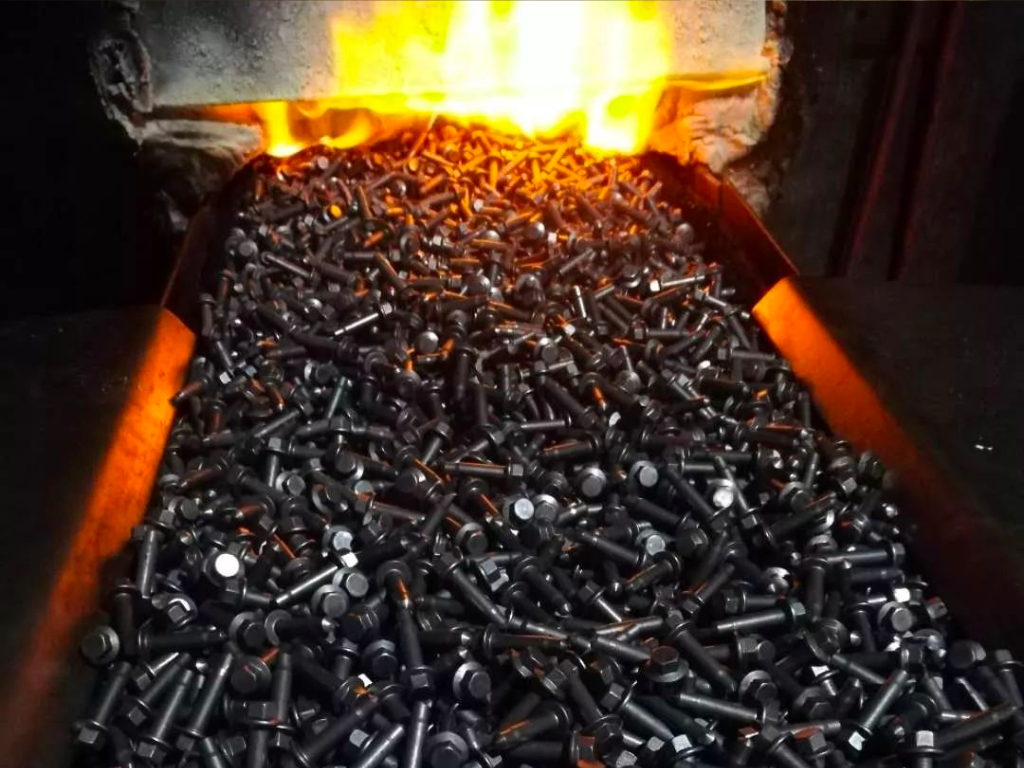
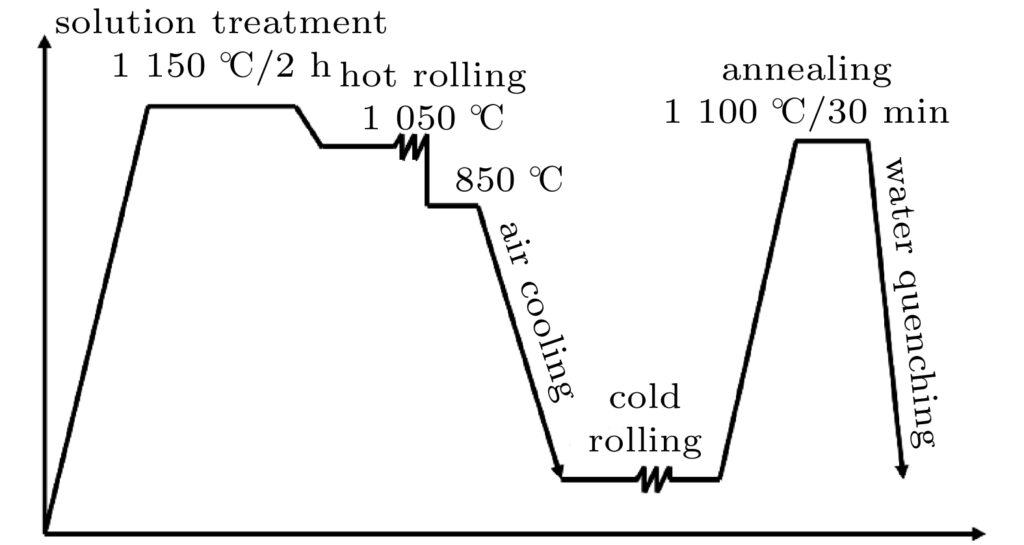
The legendary corrosion resistance of Hex Bolts Alloy C276 is not just inherent in the metal; it is “locked in” through proper heat treatment. Many sourcing failures occur because the bolts were not correctly solution annealed. If the material is cooled too slowly during manufacturing, carbides can precipitate at the grain boundaries, leading to intergranular corrosion. To prevent this, HOTFORGE utilizes a rigorous thermal cycle: heating the bolts above 1150 followed by rapid water quenching. This specialized process ensures a homogenous microstructure, maximizing the fastener’s lifespan in acidic and oxidizing environments.

Heat treatment of Hex bolts alloy c276
Alloy C276 Heat Treatment Curve

Typical & Specification Mechanical Properties of Alloy C276

PropertyConditionTypical Value (Aged / Annealed)ASTM B574 Specification (Min)
Tensile StrengthAnnealed (Room Temp)690 – 830 MPa≥ 690 MPa
Yield Strength (0.2% offset)Annealed (Room Temp)310 – 450 MPa≥ 283 MPa
Yield Strength (0.2% offset)Annealed (200°C / 392°F)~250 MPaNot Specified
Yield Strength (0.2% offset)Annealed (300°C / 572°F)~240 MPaNot Specified
Elongation (% in 50mm)Annealed (Room Temp)50 – 65%≥ 40%
HardnessAnnealed (Room Temp)85 – 90 HRB≤ 100 HRB (or ≤ 241 HB)
Tensile StrengthCold Worked (20%)~1200 MPaNot Specified
Modulus of ElasticityAnnealed (Room Temp)205 GPa ($29.7 \times 10^6$ psi)Not Specified
Poisson’s RatioAnnealed (Room Temp)0.31Not Specified
DensityAnnealed (Room Temp)8.89 g/cm³ (0.321 lb/in³)Not Specified

Conclusion: Making the Right Choice for Your Infrastructure

Choosing between SS316 and Alloy C276 isn’t just a matter of budget—it’s a matter of safety and lifecycle management. While 316 stainless steel is sufficient for general industrial use, it often fails prematurely in environments containing wet chlorine gas, hypochlorites, or concentrated acids.

At HOTFORGE INDUSTRIAL LIMITED, we understand that in critical applications, the cost of a single bolt failure far outweighs the initial price of high-performance alloys. By opting for our precision-forged Hex Bolts Alloy C276, you are investing in a “fit-and-forget” solution that guarantees operational uptime and environmental safety.

Ready to Secure Your Next Project?

Don’t let corrosion be the weak link in your system. Whether you need technical data sheets, material certifications, or a custom quote for specialized fasteners, the team at HOTFORGE is ready to assist.

Get a Technical Consultation: Speak with our metallurgy experts regarding your specific environmental challenges.

Request a Quote: Receive a competitive estimate for Hex Bolts Alloy C276 with full MTC 3.1 traceability.

Costly Pitfalls in Hex Bolts Alloy C276: MTC & Heat Treatment Essentials Read More »

hex-nut-din-934-a4-80

HEX NUT DIN 934 A4-80 | High-Strength Stainless Steel Fasteners

HEX NUT DIN 934 A4-80 Standard Product Display

M2 HEX NUT DIN 934 A4-80

Introduction to Stainless Steel Materials

The raw materials we use have been certified by third-party companies and undergo spectral analysis and composition testing by the quality department before being stored. During order production, the planning department arranges the cutting of raw materials with specifications suitable for production use! A4-80 is a common stainless steel performance grade identification in the fastener industry, used to indicate the mechanical properties of austenitic stainless steel A4 and Grade 80.

Usually represented as AISI 316/316L, the main alloying elements are shown in the following figure:

Features: Strong resistance to seawater corrosion and chloride corrosion, belonging to food grade and marine grade stainless steel.

Applicable industries:

marine environment

chemical equipment

food factory

Highly corrosive environment

Salt spray environment

Acid and alkali resistant occasions

Manufacturing process and execution standards

DIN 934 is a standard published by the German Institute for Standardization DIN for specifying the dimensions, technical requirements, and tolerance grades of hex nuts. It is also one of the most widely used nut standards worldwide.
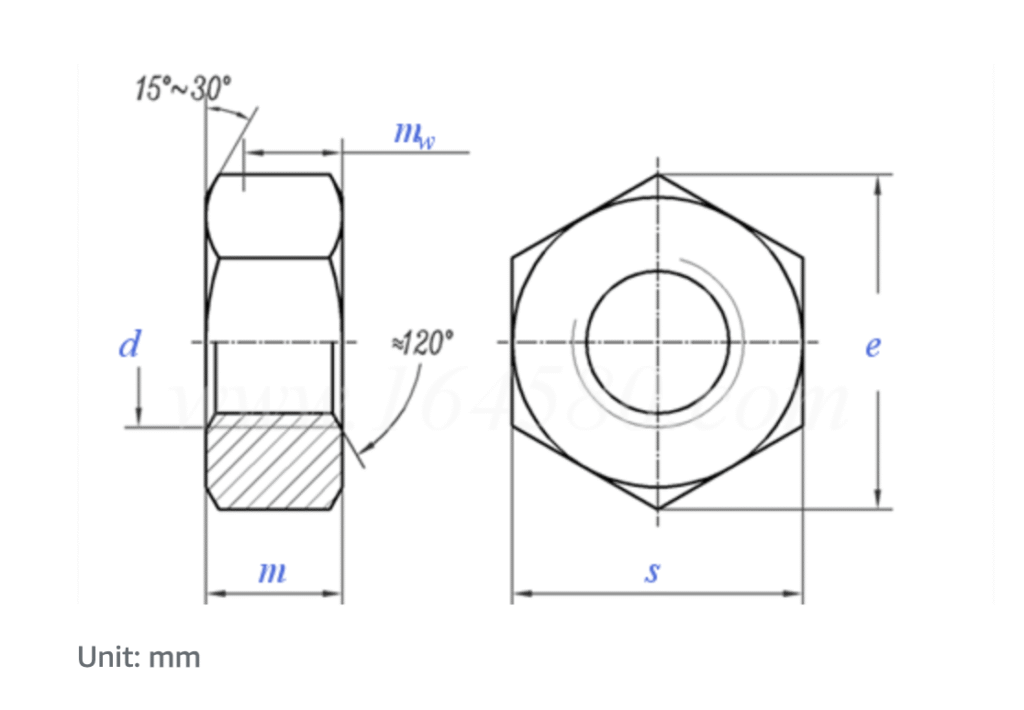
Our manufacturing department produces according to the standard requirements of hexagonal nuts, and each process is fully inspected by our quality inspection department QA. Only by managing every step through quality control documents can we ensure that every nut passes the thread gauge inspection and is qualified!
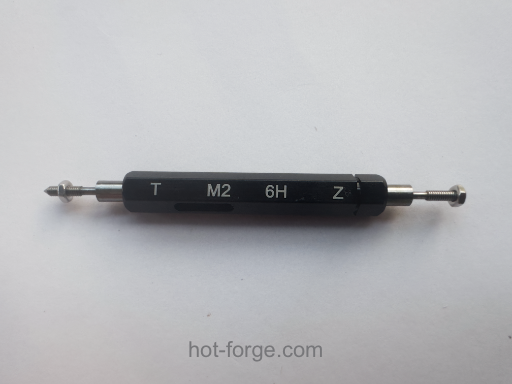
Quality Control

Each batch of products undergoes strict inspection, including tensile testing, hardness verification, and surface finish analysis, to ensure consistency in quality and durability.

Available Sizes & Customization

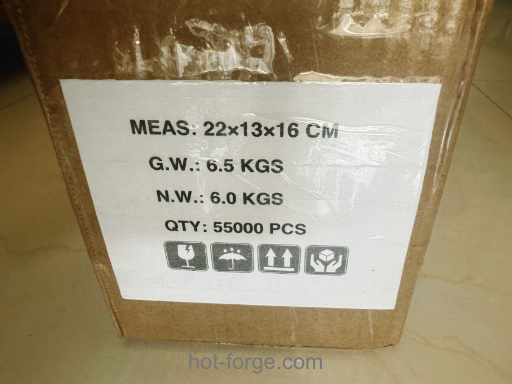
We provide a wide range of sizes according to DIN 934 specifications. Customized dimensions and surface treatments are available upon request. Fully supports OEM customization, ensuring and marking according to customer requirements.
Contact Us

For inquiries or to request a quotation for HEX NUT DIN 934 A4-80, please contact our sales team. We provide reliable solutions and global delivery.

HEX NUT DIN 934 A4-80 | High-Strength Stainless Steel Fasteners Read More »

Wedge Anchors SSS304

How are wedge anchors SS304 manufactured, divided into several steps?

Wedge Anchors SS304
Wedge Anchors SS304

The production process of wedge anchors SS304 (High-quality Wedge Anchors made from stainless steel, offering excellent strength, durability, and corrosion resistance for concrete and structural applications) involves the following steps:

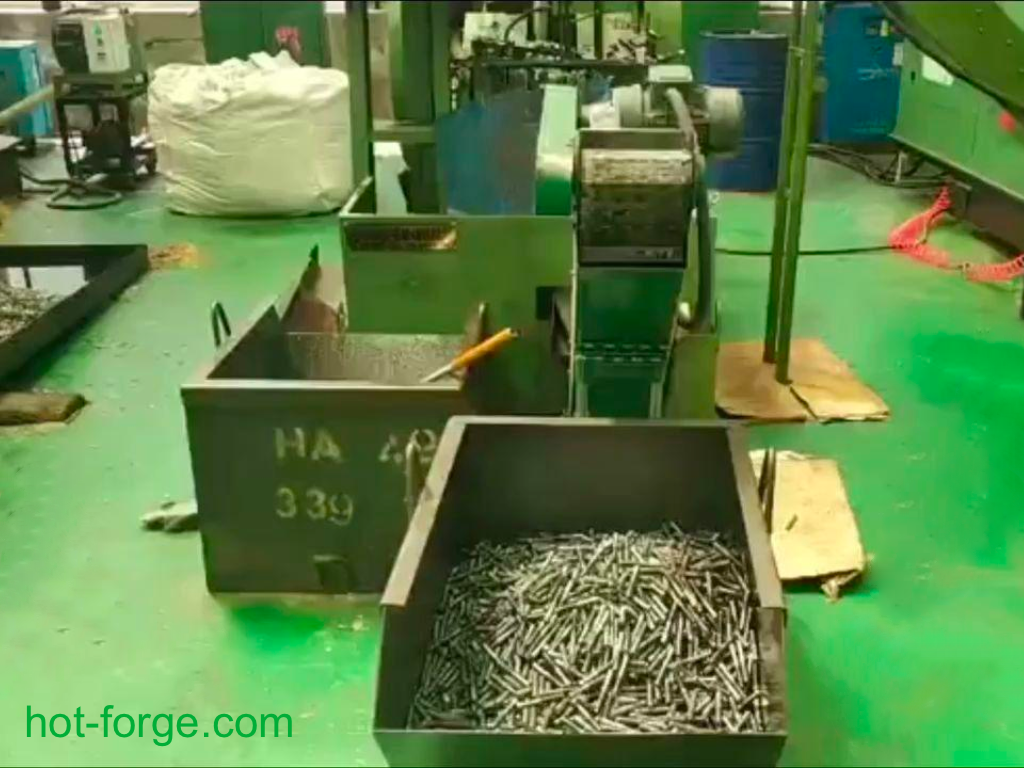
1. Material Preparation

    • Raw Material Selection: High-quality carbon steel or stainless steel (e.g., 304, 316) is typically used to ensure strength and corrosion resistance.

    • Material Processing: Steel is cut into appropriate lengths for subsequent processing.

2. Forming Process

    • Bolt Processing: Bolts are formed using cold heading or hot forging techniques, followed by thread rolling to create threads.
    • Sleeve Processing: Steel pipes are cut and shaped into sleeves, with holes or patterns added to enhance expansion performance as per design requirements.

3. Heat Treatment

    • Bolts and sleeves undergo quenching and tempering to improve hardness and mechanical properties.

4. Surface Treatment

    • Plating or Coating: Common treatments include galvanizing or electrophoretic coating to enhance corrosion resistance.
    • Cleaning: Removes surface oil and impurities.

5. Assembly

    • Bolts, sleeves, and expansion components (e.g., tapered heads) are assembled, ensuring dimensional accuracy and functional compatibility.

6. Quality Inspection

    • Tests are conducted for dimensions, hardness, surface quality, and expansion performance to ensure compliance with design specifications.

7. Packaging and Delivery

    • Products are packaged according to customer requirements, labeled with specifications and usage instructions, and prepared for shipment.

This production process ensures that car repair expansion bolts are reliable in terms of load-bearing and pull-out performance, making them widely used in construction, installation, and mechanical fastening applications.

Wedge Anchors SSS304 Read More »

Hexagon Socket Round Head Screws A4-70

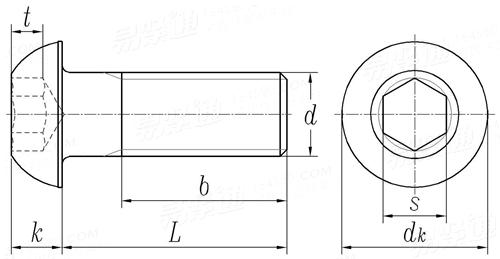
Hexagon Socket Round Head Screws A4-70 BS 2470

About the product size and usage introduction of Hexagon Socket Round Head Screws

BS 2470 Standard Size Data Sheet

Introduction to Hexagon Socket Round Head Screws

Hexagon socket round head screws, also known as button head cap screws or socket button head screws, are a type of fastener characterized by their cylindrical head with a hexagonal socket drive and a rounded top. Here are some key features and applications:
Key Features:

  1. Hexagonal Socket Drive:
  • Allows for a strong, secure grip with a hex key or Allen wrench.
  • Facilitates easy installation and removal in tight spaces.
  1. Round Head:
  • Provides a clean, smooth finish.
  • Minimizes snagging or catching on surrounding objects.
  1. Materials:
  • Typically made from steel, stainless steel, or alloy steel.
  • Can be coated with zinc, black oxide, or other finishes for corrosion resistance.
  1. Sizes:
  • Available in various diameters and lengths to suit different applications.
  • Commonly specified by metric (M3, M4, M5, etc.) or imperial (inch-based) measurements.

Applications:

  1. Machinery and Equipment:
  • Used in assembling mechanical parts where a flush finish is desired.
  • Often found in automotive, aerospace, and industrial equipment.
  1. Electronics:
  • Securely fastens components without causing damage or short circuits.
  1. Furniture:
  • Provides a sleek, finished look while maintaining strong assembly.
  1. DIY Projects:
  • Popular in hobbyist and maker communities for their ease of use and aesthetic appeal.

Advantages:

  • Strong and Durable: Can withstand significant torque and stress.
  • Aesthetic Appeal: Provides a polished look suitable for visible joints.
  • Versatile: Suitable for a wide range of materials and applications.

Installation Tips:

  • Correct Tool Size: Ensure using the correct size hex key to prevent stripping the socket.
  • Torque Specifications: Follow manufacturer recommendations for tightening torque to avoid over-tightening.
  • Thread Locking: Use thread-locking compounds for applications subject to vibration.

When choosing hexagon socket round head screws, consider the specific requirements of your project, including the material, finish, size, and any environmental conditions the fasteners will be exposed to.

Hexagon Socket Round Head Screws A4-70 BS 2470 Read More »
hexagonal bolt production A4-80

hexagonal bolt production process

What are the production processes of fastener products hexagonal bolts?

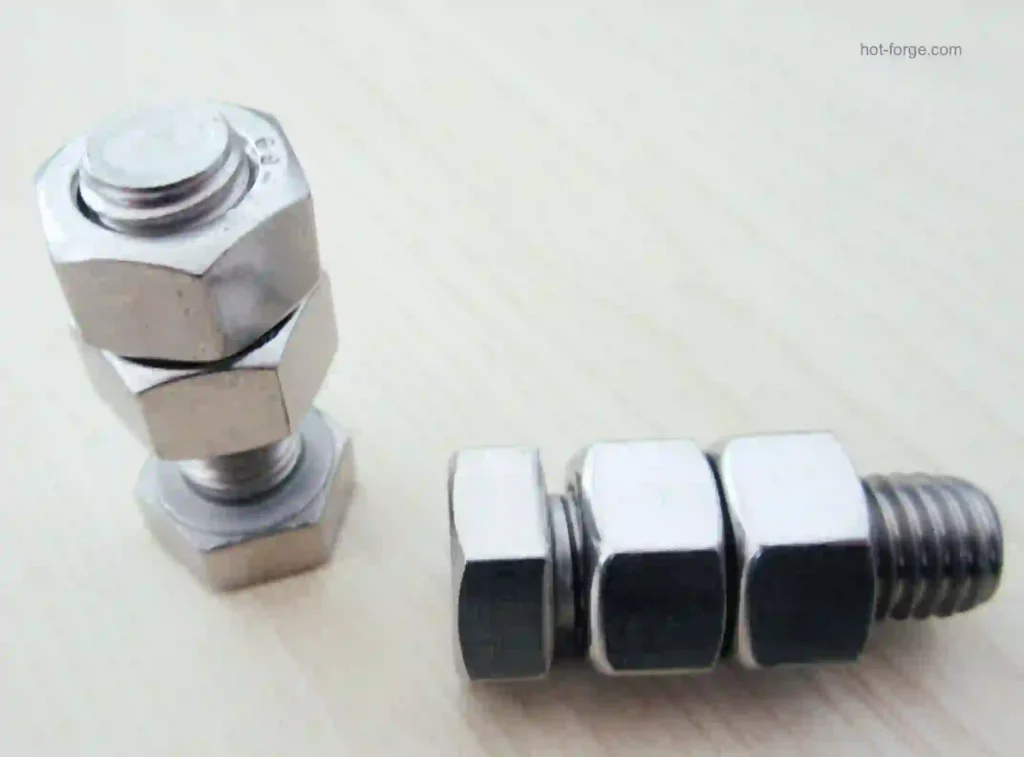
Hexagonal bolts are a common fastener and are widely used in machinery manufacturing, automobiles, aviation, and other fields. So, how are hexagonal bolts produced? The following is an introduction to the production process of our company’s production department.
1. Raw material preparation

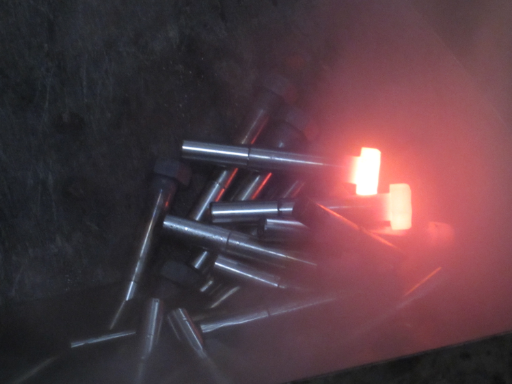
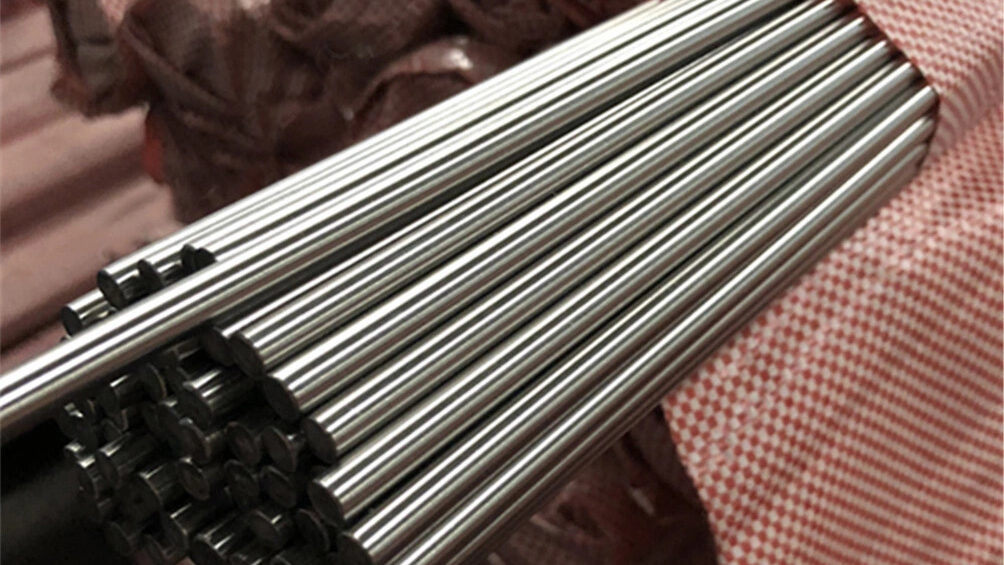
The raw materials of hexagonal bolts are mainly made of metal materials, which is the material range we operate (carbon structural steel, stainless steel, super duplex steel, nickel-based alloy, titanium alloy, copper alloy). First of all, it is necessary to purchase suitable materials. Before the raw materials are put into storage, the steel must be inspected and quality confirmed. Then carry out pre-processing work such as cutting and blank processing so that subsequent processing can proceed smoothly. The appropriate length of raw material is then forged. The preheated metal blank is put into the mold, and pressure and impact are applied at high temperatures to deform it to form the blank of the hexagonal bolt. The blank needs to remove hammer marks and surface oxide scale.
2. Processing and manufacturing

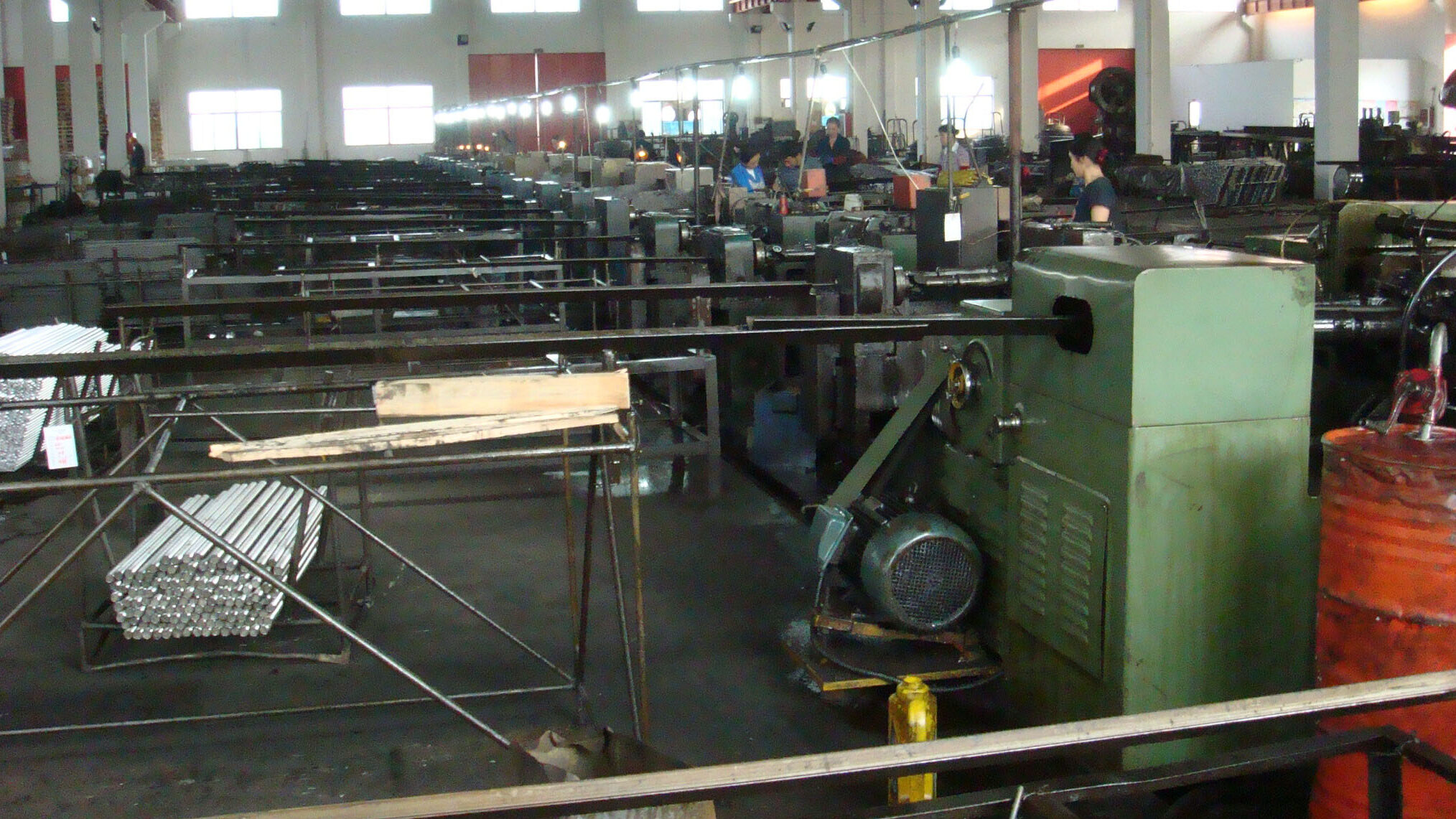
The pre-treated blank is heated to the appropriate temperature and then placed on the press for shaping. The forming of hexagonal bolts is usually divided into two methods: cold heading and hot heading. Cold heading is beneficial to improve production efficiency, while hot heading can improve the firmness and corrosion resistance of hexagonal bolts. After processing is completed, the finished products are inspected and screened by our QA.
3. Heat treatment

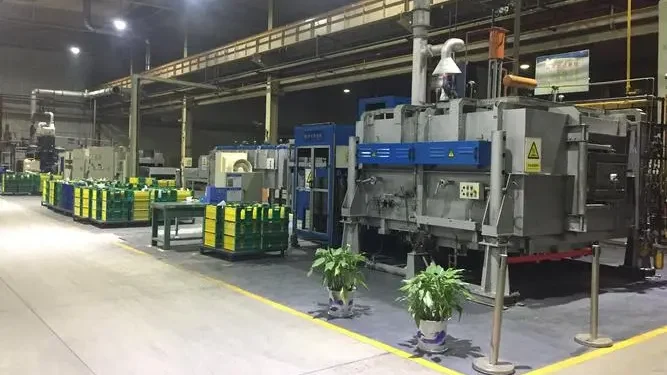
After completing cold or hot heading forming, the hexagonal bolts need to be heat treated. Heat treatment can increase the strength and hardness of hexagonal bolts, giving them higher tensile properties and wear resistance. This step is very important. We completely follow the heat treatment type and requirements in the material execution standards to ensure that the temperature meets the requirements. This process requires proper heating and cooling techniques to ensure the overall quality of the hexagonal bolts is reliable.

4. Processing threads

Threading is the use of mechanical equipment to process the outside or inside of a workpiece. It is usually divided into two types: internal threads and external threads. The main methods for processing threads include turning, milling, grinding, grinding, rolling, tapping and threading. Among them, thread rolling is a commonly used method in fasteners. It uses a forming rolling die to plastically deform the workpiece to obtain threads. Thread rolling is generally performed on a thread rolling machine or an automatic lathe equipped with an automatic opening and closing thread rolling head. It is suitable for mass production of external threads of standard fasteners and other threaded connections.

The advantages of thread rolling are as follows:

  • The surface roughness is smaller than that of turning, milling and grinding;
  • The strength and hardness of the thread surface after rolling can be improved due to cold work hardening;
  • High material utilization rate;
  • The productivity is doubled compared with cutting processing, and it is easy to realize automation;
  • The rolling die has a long life. However, rolling threads require that the hardness of the workpiece material does not exceed HRC40; the dimensional accuracy of the blank is high; the accuracy and hardness requirements of the rolling mold are also high, making it difficult to manufacture the mold; it is not suitable for rolling threads with asymmetric tooth shapes.

5. Surface treatment

The surface treatment of hexagonal bolts is very important as it provides them with enhanced corrosion resistance, better anti-rust properties, decorative effects, etc. Surface treatment processes can be adopted (Hot Dip Galvanizing – standards ASTM A153, Electro Zinc Plating – standards ASTM B633, Teflon, PTFE-Xylan 1024/1070, Ceramic Filled Fluorocarbon Coating, Silver Plating – standards ASTM B254, GEOMET 321/720 – standards ASTM F1136, Electro less Nickel Plating – standards ASTM B733, Nickel Plating – ASTM B689, Electrodeposited Zinc Nickel Plating – standards ASTM B841, Cadmium-plated standards ASTM A165). Among them, the quality of surface treatment can affect the overall performance and appearance of hexagonal bolts.

6. Industrial testing

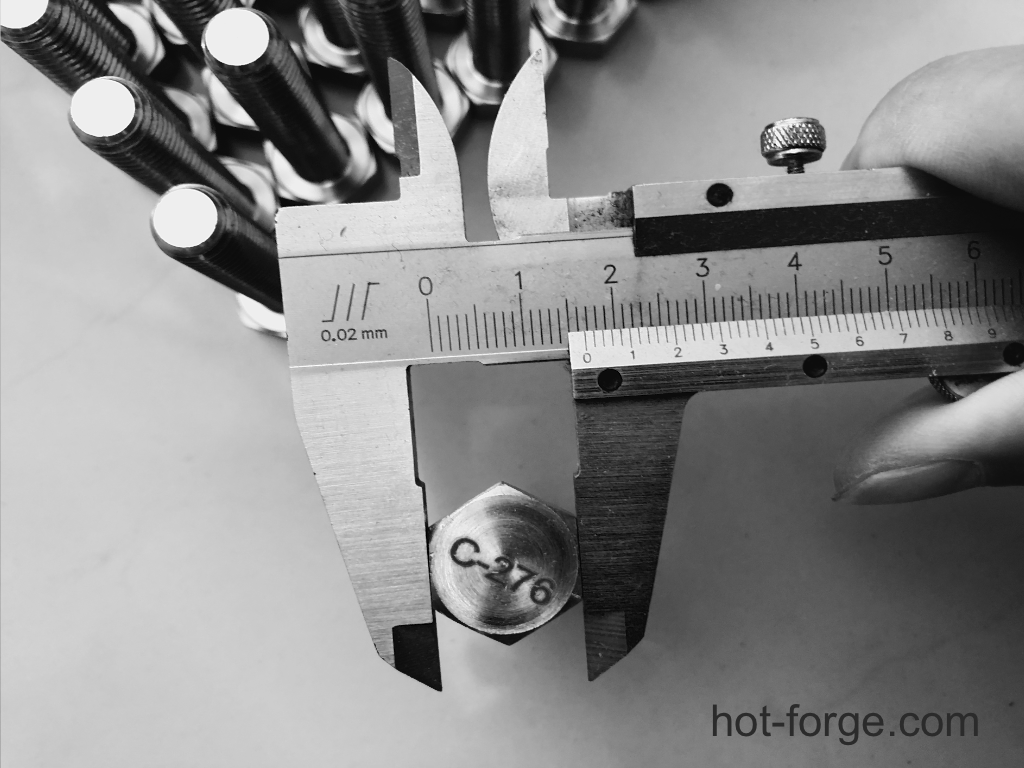
After production is completed, hexagonal bolts undergo a variety of inspection and testing processes to ensure that the product meets quality standards. Inspection content usually includes appearance inspection, dimensional inspection, tensile and torque strength inspection, etc.
7. Packaging

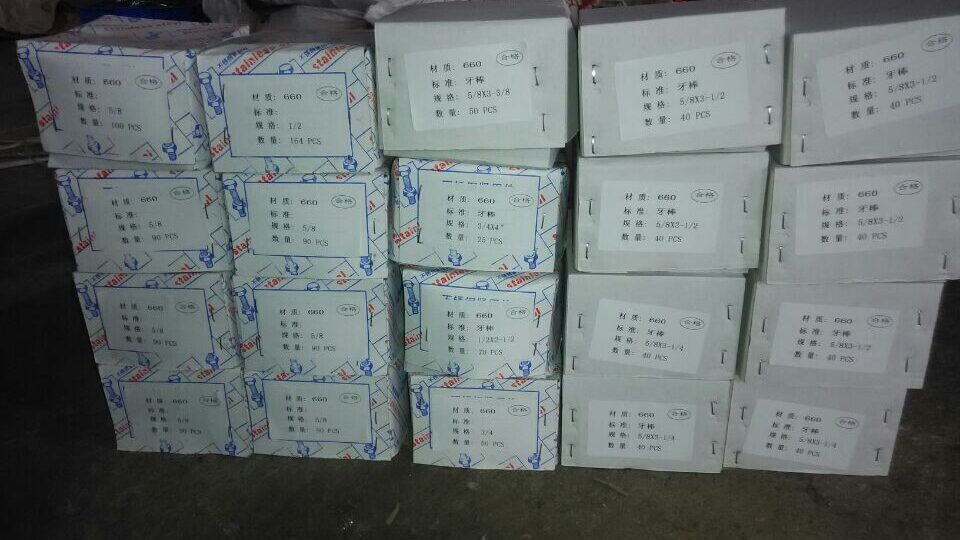
The final step is to package and deliver the hexagonal bolts. Packaging needs to use packaging materials and methods that meet the standard requirements of the target customer’s country to avoid damage to the goods during transportation and use and affect the import customs clearance progress.

In short, the production of hexagonal bolts is a multi-step process, each step of which requires careful operation and proper skills. Our workers have an average of 15 years of production experience. Only by strictly following the process can we ensure the stable quality, firmness and durability of the hexagonal bolts.

hexagonal bolt production process Read More »
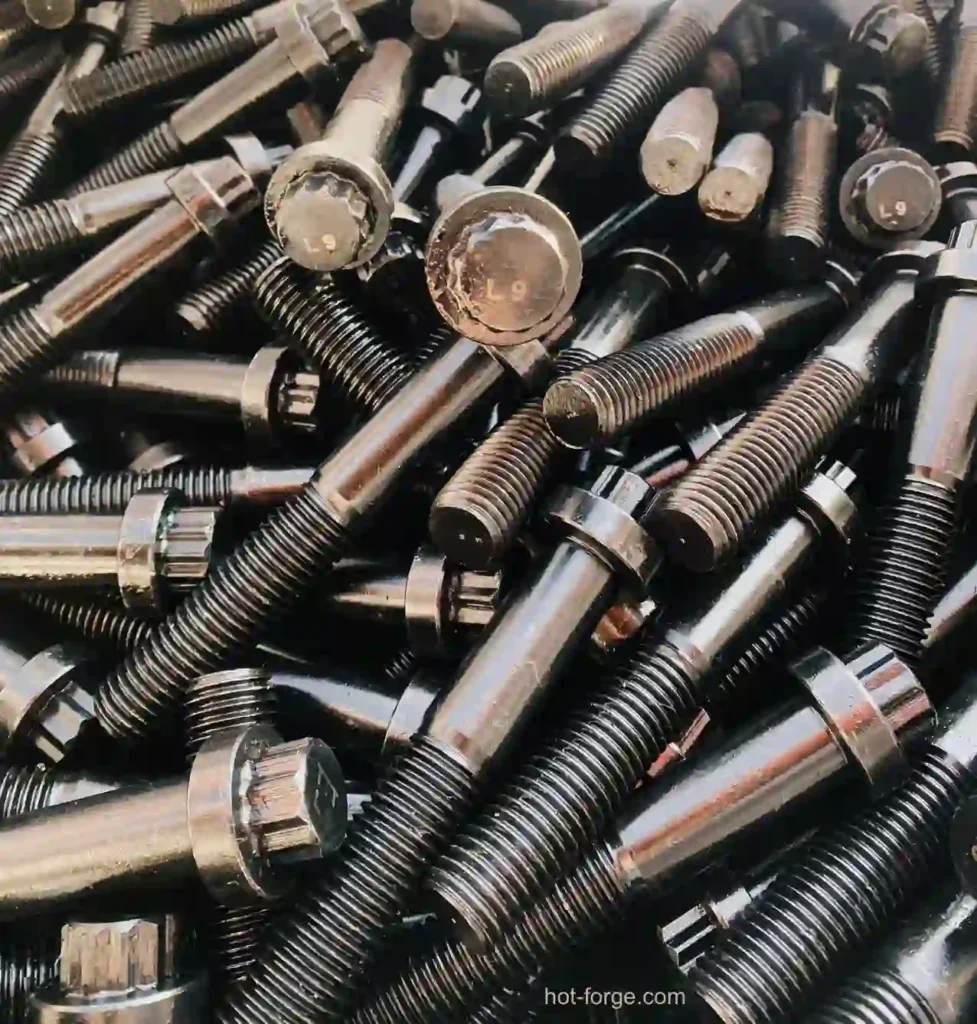
12-Point Flange Head Screws L9

12-Point Flange Head Screws L9 / Class 12.9

How to manufacture 12-point Flange head bolts?

1. What is a 12-point Flange head bolt

The 12-point flange bolt refers to a head-type bolt with twelve corners and a flange surface.

The 12-point flange screw drive has twelve splines in the fastener and tool. It consists of 12 equally spaced protrusions, each with a 60° angle. It is achieved by overlaying 4 equilateral triangles, each one rotated 30° over the previous one. The spline drive was part of the obsolete, U.S-designed Optimum Metric Fastener System and was defined by ASTM B18.2.7.1M

2. What are the standards for 12-point bolts?

There are mainly American standards such as ANSI, ASME, JIS, IFI, standards, etc.

  • 12-point flange bolt ANSI B18.2.7.1M-1999
  • 12-point flange bolt ASMEB18.2.7M-1999
  • 12-point flange bolt IFI115-2002
  • 12-point flange bolt JB6686-1993

Spline drives were specified for 5, 6.3, 8, 10, 12, 14, 16, and 20 mm size screws. Its primary advantage is its ability to resist cam out, so it is used in high-torque applications, such as tamper-proof lug nuts, cylinder head bolts, and other engine bolts.
3. Application environment of 12-point flange bolts

12-Point Flange Head Screws L9

The 12-point flange bolt is widely used in multiple industries and application scenarios due to its unique design and function. The following are some main application scenarios:

  1. Aerospace industry: These bolts are commonly used in the structure and engine components of aircraft and spacecraft because they can withstand high stress and vibration.
  2. Automotive industry: In high-performance vehicles and racing cars, 12-point flange bolts are used in key parts such as engines, transmissions, and suspension systems, providing reliable connections and high strength.
  3. Oil and natural gas: In drilling equipment, offshore platforms, and refineries, these bolts are used for connection parts that require high strength and corrosion resistance.
  4. Heavy machinery and equipment: In construction, mining, and agricultural equipment, 12-point flange bolts are used for critical mechanical connections to ensure stability and durability.
  5. Industrial pipelines and pressure vessels: In pipelines and pressure vessel systems in the chemical, petrochemical, and pharmaceutical industries, these bolts are used in high-pressure and high-temperature environments to provide reliable sealing and connection.
  6. Power generation equipment: In nuclear power plants and other power generation facilities, these bolts are used for connecting equipment such as turbines, boilers, and heat exchangers, requiring high strength and creep resistance.
  7. Military and national defense: Used in military vehicles, ships, and equipment, requiring high reliability and strength connection parts.

Overall, 12-point flange bolts perform well in applications that require high stress, vibration, and harsh environments due to their high strength, durability, and reliability.

12-Point Flange Head Screws L9 / Class 12.9 Read More »

Product slotted pan head screws standard DIN 921 Material duplex stainless steel S32750

slotted pan head screws DIN 921 UNS S32750

Production process of slotted pan head screws with large head

Slotted Pan Head Screws with Large Head
Slotted Pan Head Screws with Large Head Product Display

HOTFORGE INDUSTRIAL LIMITED is a professional fastener manufacturer, specializing in the production of threaded rods, bolts, nuts, washers and other mechanical forging parts. Our products are widely used in standards in petrochemical, aerospace, automotive production, construction and equipment manufacturing and other related industries. We are proud to provide customized solutions according to the specific needs of our customers.

The production process of slotted pan head screws with large head mainly includes the following steps:

1. Purchase raw materials hot rolled wire rod

Raw material supplier high-speed hot-rolled wire rod
Hot rolled wire rod S32750
Hot rolled wire rod S32750 inspect

2. Automatic wire drawing machine

Automatic wire drawing machine
An automatic wire drawing machine is essential for industries requiring precision-engineered wires. It automates the wire drawing process, ensuring high-quality output while enhancing productivity and reducing operational costs.

3. Screw cold heading machine

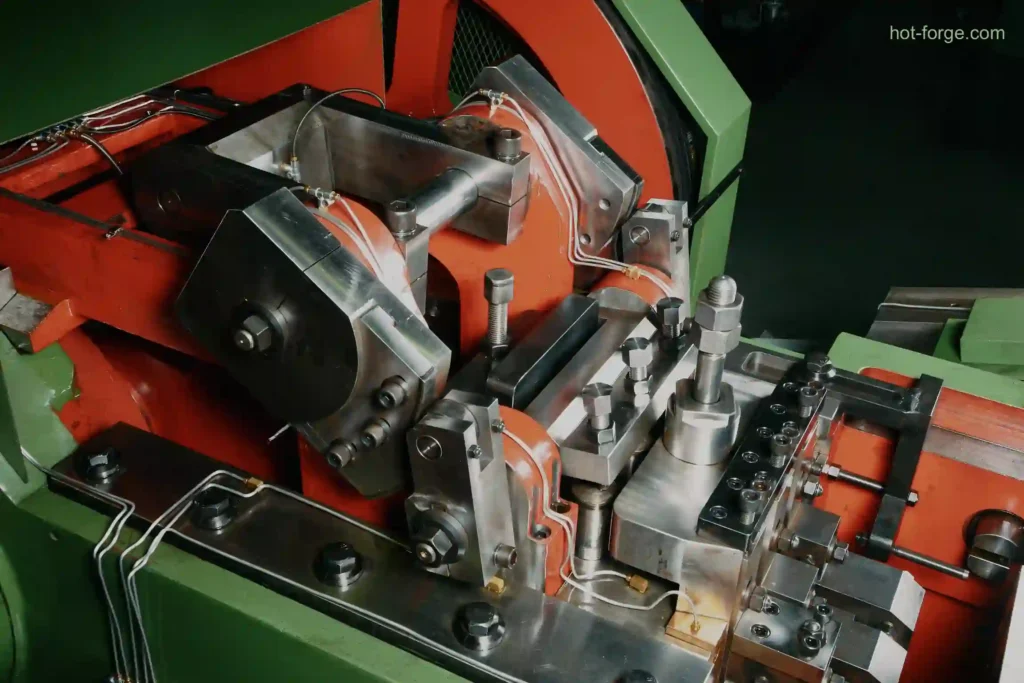
Multi stroke screw heading machine or cold heading machine
Cold blots heading punch
Cold heading punch

4. Bolt product heat treatment furnace

Bolt product heat treatment furnace
Heat treatment furnace

5. Bolt processing Rolling thread

Bolts rolling thread machine
Rolling thread machine

6. Laser marking of bolt products

Laser marking of bolt products

7. Packaging and delivery

Packaging and delivery of bolt products

Summary:

Slotted pan head screws DIN 921 production involves multiple steps such as raw material preparation, cold heading forming, wire rolling, heat treatment, surface treatment, inspection and testing, and packaging. Each step requires strict control to ensure that the quality and performance of the finished bolts meet the requirements. Can fully meet the project usage needs of users.

For more detailed specifications and models, you can refer to manufacturers’ websites or technical product catalogs.

slotted pan head screws DIN 921 UNS S32750 Read More »
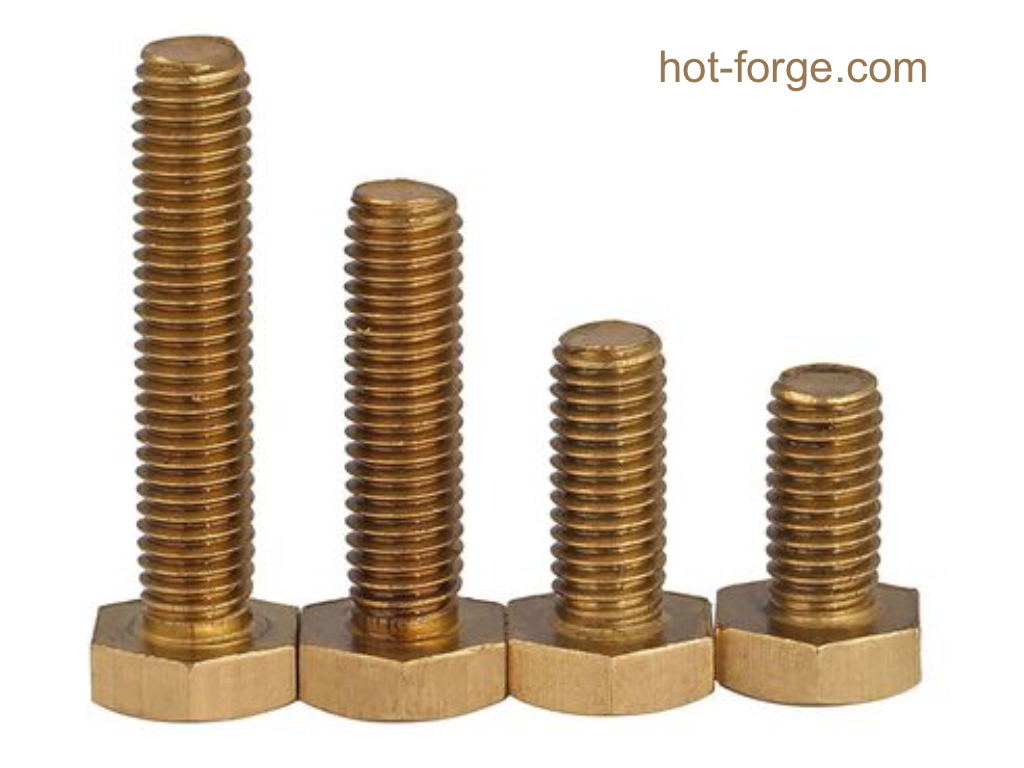
High-Quality HEX SETSCREWS and HEX NUTS: Manufactured with ASTM F468 UNS C65100, ASME B18.2.1 and ASME B18.2.2 Standards

HEX SETSCREWS and HEX NUTS ASTM F468 UNS C65100 manufacturer

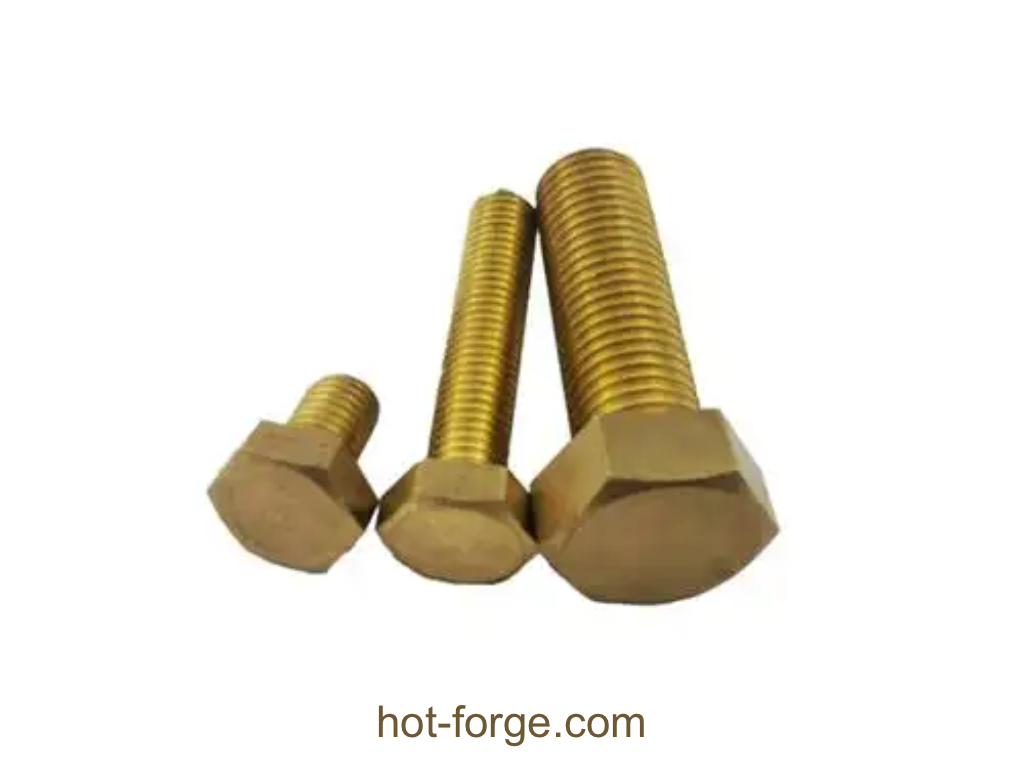
As a trusted manufacturer of industrial fasteners, we specialize in producing high-quality HEX SETSCREWS and HEX NUTS made from premium materials that meet the toughest standards. Our products are specifically designed for applications requiring reliable performance, high tensile strength, and superior corrosion resistance. We use ASTM F468 UNS C65100 material for these fasteners, ensuring they can withstand harsh environments and demanding industrial applications.
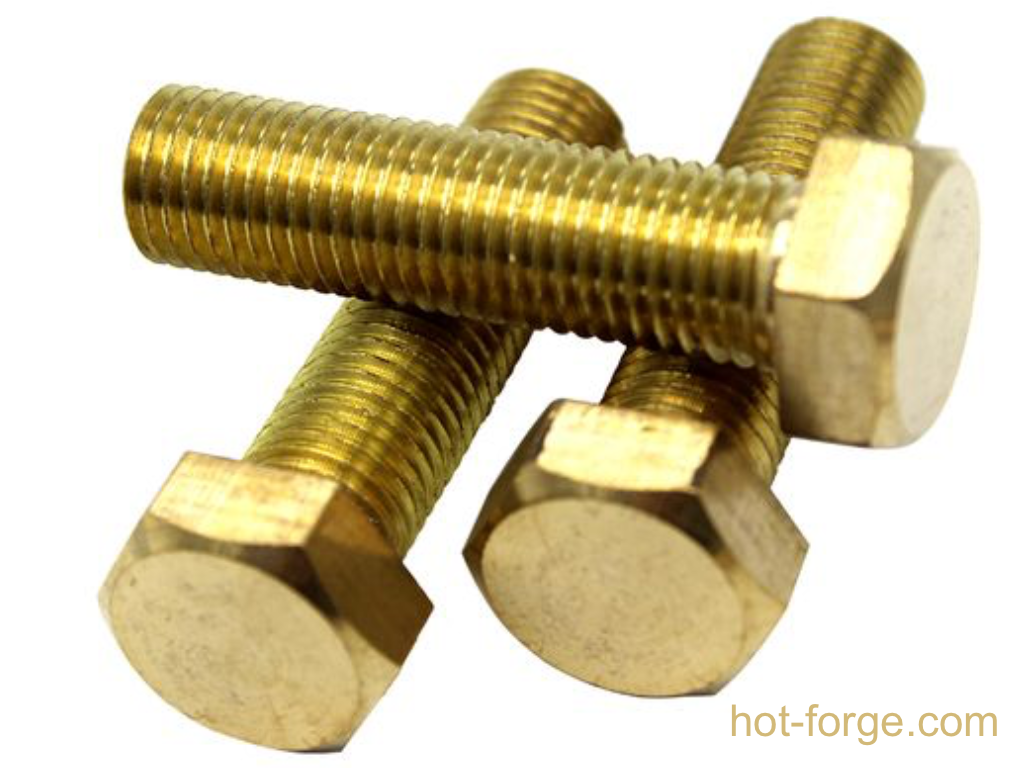
Our HEX SETSCREW and HEX NUT Products

Our HEX SETSCREWS and HEX NUTS are manufactured with precision, offering unparalleled reliability for a wide range of applications. These fasteners are ideal for industries such as construction, mechanical engineering, and heavy equipment, where secure fastening and long-lasting performance are paramount.

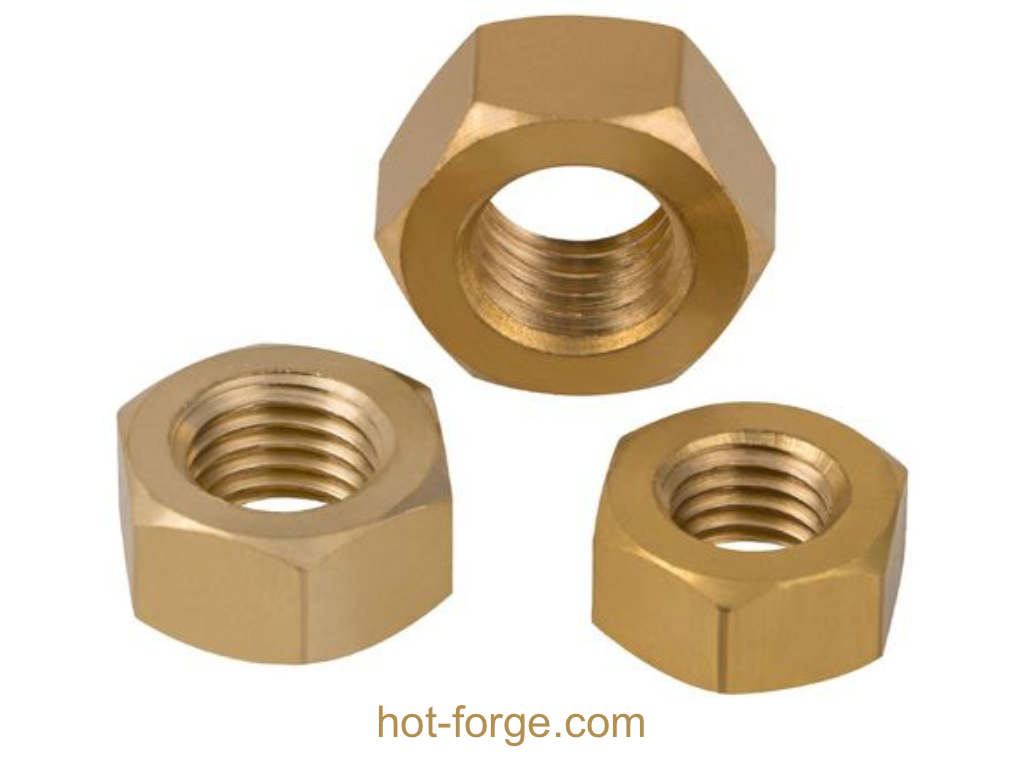
  • HEX SETSCREWS: Also known as grub screws, these are used for securing components within machinery and assemblies. Our HEX SETSCREWS come in a range of sizes and lengths to suit different applications and are perfect for securing gears, pulleys, and other critical components.
  • HEX NUTS: These are essential for completing threaded assemblies and ensuring a secure, tight fit. Our HEX NUTS are designed to work perfectly with our HEX SETSCREWS and other fasteners, ensuring that your assemblies stay firmly in place under various load conditions.

Material: ASTM F468 UNS C65100

Our HEX SETSCREWS and HEX NUTS are made from ASTM F468 UNS C65100, a high-quality material known for its excellent mechanical properties and exceptional corrosion resistance. This alloy, also referred to as C65100 or CDA 651, is a copper-based material with high tensile strength and great resistance to environmental factors such as moisture, chemicals, and extreme temperatures. It is ideal for use in applications where reliability and durability are critical.

Key benefits of ASTM F468 UNS C65100 include:

  • Corrosion Resistance: The material’s high copper content makes it resistant to corrosion, making it suitable for marine environments and applications exposed to moisture or corrosive chemicals.
  • High Tensile Strength: The alloy is designed to withstand high mechanical stresses, ensuring that the fasteners maintain their integrity even under demanding conditions.
  • Non-Sparking: C65100 material is non-sparking, which makes it ideal for use in hazardous environments where ignition risk is a concern.

This material is widely used in industries like oil and gas, marine, and construction, where fasteners must endure high-stress and corrosive environments.
Manufactured to ASME B18.2.1 and ASME B18.2.2 Standards

Our HEX SETSCREWS and HEX NUTS are manufactured in strict adherence to the ASME B18.2.1 and ASME B18.2.2 standards, ensuring the highest level of quality and precision.

  • ASME B18.2.1: This standard defines the specifications for hexagon head bolts, screws, and their dimensions. It ensures that all our fasteners are manufactured to exacting specifications, making them suitable for a wide range of industrial applications.
  • ASME B18.2.2: This standard covers the specifications for hex nuts, including dimensional tolerances, strength requirements, and thread specifications. By adhering to this standard, we guarantee that our HEX NUTS provide a secure fit and reliable performance.

By manufacturing to these standards, we ensure that our products consistently meet customer expectations for quality, performance, and durability.
Applications of Our HEX SETSCREWS and HEX NUTS

Our high-performance HEX SETSCREWS and HEX NUTS are used across a variety of industries, including:

  • Marine and Offshore: Due to their exceptional corrosion resistance, our fasteners are ideal for use in marine environments, ensuring long-lasting performance even in harsh conditions.
  • Construction and Heavy Equipment: Our HEX SETSCREWS and HEX NUTS provide secure fastening for construction equipment, machinery, and structural assemblies.
  • Aerospace and Aviation: The high tensile strength of C65100 material makes our fasteners suitable for critical aerospace applications.
  • Oil and Gas: In this industry, fasteners must withstand extreme pressures and corrosive environments, making our ASTM F468 UNS C65100-based products the perfect solution.

Quality Assurance

At our manufacturing facility, we prioritize quality at every step of the production process. From material selection to final inspection, we ensure that our fasteners meet the highest industry standards. Each batch of HEX SETSCREWS and HEX NUTS undergoes rigorous testing, including dimensional checks, tensile testing, and corrosion resistance evaluations, to guarantee that our products meet the required performance standards.
Why Choose Our Fasteners?

  • Superior Material: We use ASTM F468 UNS C65100 for its excellent mechanical properties, corrosion resistance, and durability, ensuring your assemblies last longer and perform better.
  • Precision Manufacturing: Our fasteners are made in compliance with ASME B18.2.1 and ASME B18.2.2 standards, guaranteeing precise dimensions and secure fastening.
  • Custom Solutions: We understand that every project is unique. Our engineering team is available to help customize our HEX SETSCREWS and HEX NUTS to meet your specific needs, ensuring perfect compatibility with your designs.

Contact Us

If you’re looking for high-quality HEX SETSCREWS and HEX NUTS made from ASTM F468 UNS C65100, we’re here to help. Contact our team today for product inquiries or to place an order. We are committed to providing fasteners that meet your exact requirements, backed by exceptional customer service.
High-Quality HEX SETSCREWS and HEX NUTS: Manufactured with ASTM F468 UNS C65100, ASME B18.2.1 and ASME B18.2.2 Standards Read More »

HEX-BOLTS-and-HEX-NUTS

BOLTS and NUTS Made from Alloy C276 (UNS N10276 / 2.4819), Manufactured to DIN933 and DIN934 Standards

Hex BOLTS and Hex NUTS Made from Alloy C276 or UNS N10276

In the industrial sector, fasteners are critical components ensuring the structural integrity and safety of various machinery and systems. As a leading manufacturer of high-quality fasteners, we specialize in producing robust and reliable BOLTS and NUTS made from premium materials. Our products are designed to meet the most stringent international standards, including DIN933 and DIN934, and are used across a wide range of industries, from chemical processing to aerospace and marine engineering.

Our BOLT and NUT Products

We manufacture a wide variety of BOLTS (hexagonal head bolts) and NUTS (hexagonal nuts) in compliance with industry standards, ensuring superior strength, durability, and performance. Our fasteners are engineered to handle the toughest conditions, including extreme temperatures, high pressure, and corrosive environments. Whether you are working on a high-stakes project or routine maintenance, our fasteners will provide the reliability you need.
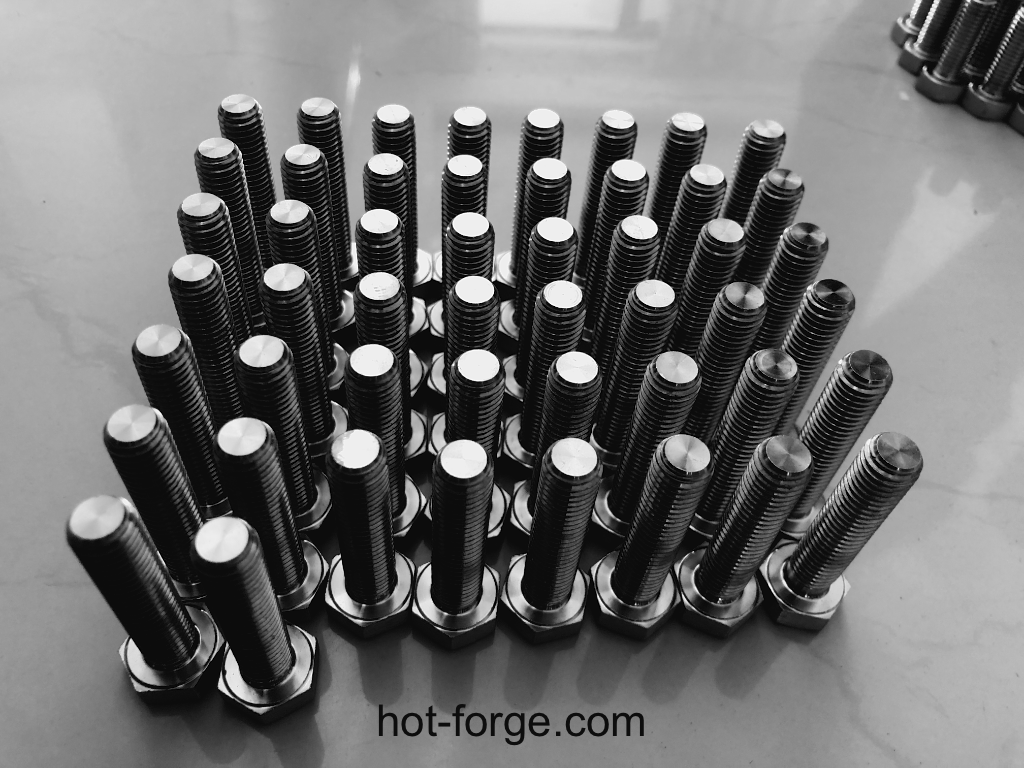
Premium Material: Alloy C276 (UNS N10276 / 2.4819)

The cornerstone of our fasteners is the use of Alloy C276, also known by its UNS designation N10276 (2.4819). This highly corrosion-resistant material is often used in demanding environments where resistance to pitting, stress corrosion, and high-temperature stability is required. Alloy C276 is ideal for applications in the chemical, petrochemical, and marine industries due to its exceptional resistance to a wide range of corrosive media.

Key properties of Alloy C276 include:

  • Exceptional Corrosion Resistance: Alloy C276 is one of the most corrosion-resistant materials available, providing outstanding performance in aggressive environments, including acidic, alkaline, and chlorine-based environments.
  • High Temperature Resistance: With a high melting point and good oxidation resistance, Alloy C276 remains stable even in high-temperature environments, ensuring long-term reliability.
  • Mechanical Strength: The alloy’s mechanical properties allow our fasteners to maintain their integrity under extreme stress, making them suitable for critical applications.

Alloy C276 is ideal for industries requiring high performance and durability under harsh conditions, such as:

  • Chemical and Petrochemical Processing
  • Marine and Offshore Engineering
  • Power Generation
  • Aerospace

Manufactured to DIN933 and DIN934 Standards

Our BOLTS and NUTS are manufactured according to the renowned DIN933 and DIN934 standards, ensuring they meet global quality benchmarks.

  • DIN933: This standard specifies the dimensions and mechanical properties of hexagon head bolts, commonly used in applications that require high tensile strength and resistance to wear.
  • DIN934: This standard defines the specifications for hexagonal nuts that pair with DIN933 bolts. These nuts are designed to provide secure fastening and prevent loosening under vibration or high stress.

By adhering to these established standards, our fasteners guarantee reliable performance in even the most demanding applications.
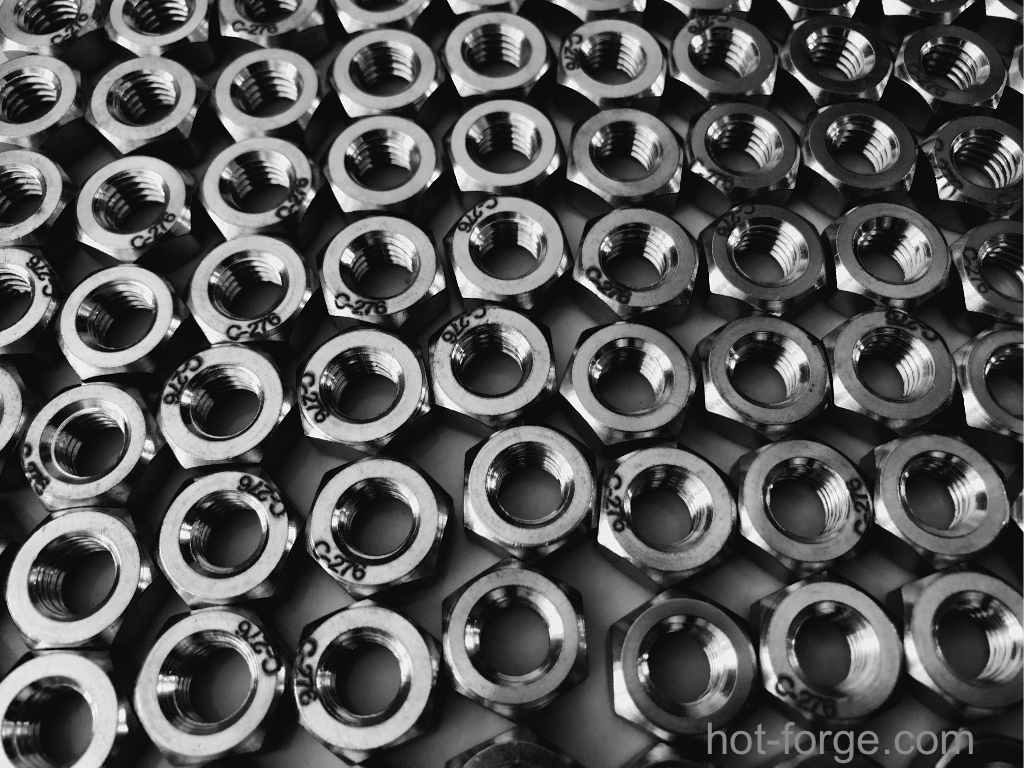
Applications of Our BOLTS and NUTS

Our high-performance BOLTS and NUTS are used across various industries and applications, including:
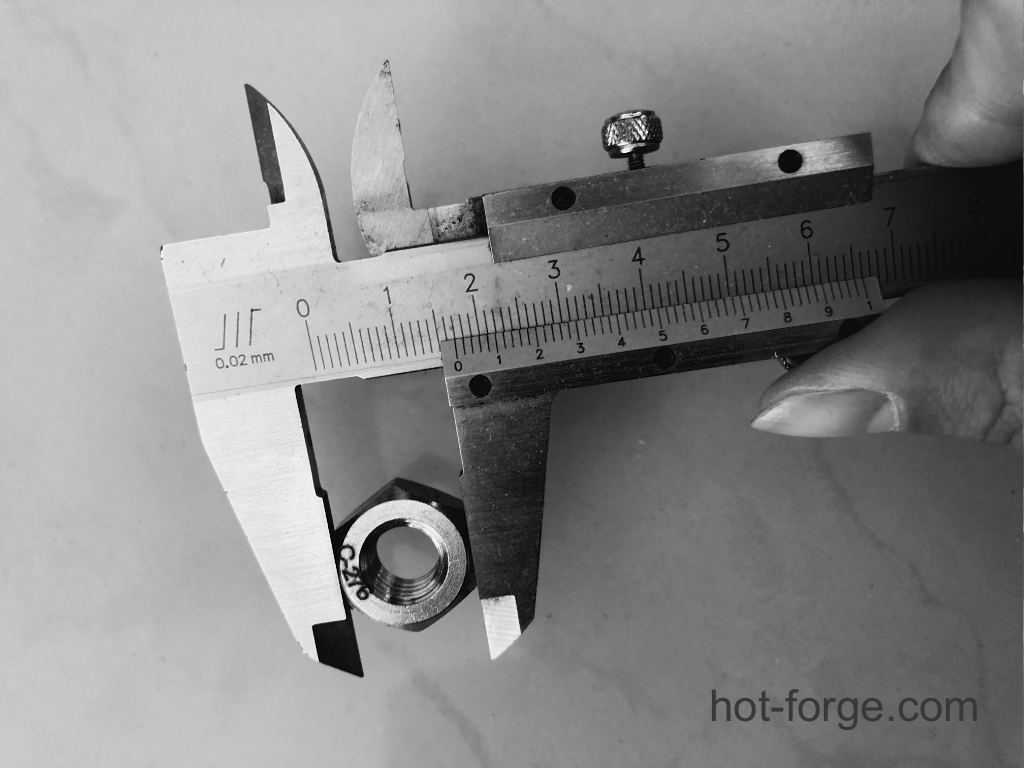
  • Chemical and Petrochemical Industries: With superior corrosion resistance, our fasteners are perfect for use in chemical reactors, pipelines, and other processing equipment exposed to aggressive chemicals and high temperatures.
  • Marine and Offshore Engineering: The high resistance to seawater corrosion makes our Alloy C276-based fasteners ideal for marine and offshore installations, ensuring the integrity of platforms, ships, and rigs.
  • Power Generation: The ability of Alloy C276 to withstand extreme conditions makes our fasteners essential for power plants, particularly in high-temperature and corrosive environments.
  • Heavy Machinery and Equipment Maintenance: Our BOLTS and NUTS provide long-lasting reliability for the construction and maintenance of machinery used in industries such as mining, construction, and automotive manufacturing.

Quality Assurance

At our manufacturing facility, we are committed to producing fasteners that meet the highest quality standards. From the procurement of raw materials to the final product inspection, every stage of our production process is meticulously controlled. Our dedicated quality assurance team conducts rigorous testing to ensure that each fastener performs as expected in real-world applications.

Why Choose Our Fasteners?

  • Durability: Our Alloy C276-based fasteners are designed to withstand the most challenging environmental conditions, ensuring long-term reliability and performance.
  • Precision: Manufactured to DIN933 and DIN934 standards, our fasteners offer precise dimensions and uniformity for seamless assembly and installation.
  • Customization: We offer tailored solutions to meet the spe

Contact Us

For inquiries or to place an order for high-quality BOLTS and NUTS made from Alloy C276 (UNS N10276 / 2.4819), please contact our team. We are committed to delivering superior products and customer service, helping you find the right fasteners for your project.
BOLTS and NUTS Made from Alloy C276 (UNS N10276 / 2.4819), Manufactured to DIN933 and DIN934 Standards Read More »

stainless u-bolts S32750

stainless u-bolts

What are the production processes of stainless u-bolts?

u-bolts application

The production of stainless U bolts involves several steps that transform raw stainless steel materials into the final U-bolt shape with the desired specifications. Here’s a general overview of the production process of stainless U-bolts:

  • Material Selection: Stainless steel is chosen as the raw material for its corrosion resistance, strength, and aesthetic appeal. The specific type of stainless steel (e.g., 304, 316) is selected based on the intended application and environmental conditions.
  • Cutting: Stainless steel rods of the appropriate diameter are cut to the required length, depending on the size and specifications of the U-bolt.
  • Bending: Once cut, the rods are then bent into the shape of a U using a bending machine or a press. The bending process ensures the uniformity of the curve and accurate spacing between the legs.
  • Threading: The ends of the U-bolt are threaded using a threading machine, which cuts threads into the steel to allow for nuts to be screwed onto the ends.
  • Heat Treatment: Depending on the specific requirements, the U-bolts might undergo a heat treatment process to enhance their mechanical properties, such as strength and toughness.
  • Surface Finish: U-bolts undergo processes like polishing, passivation, or coating to improve their appearance, corrosion resistance, and overall performance. Passivation removes free iron from the surface, enhancing the natural corrosion resistance of stainless steel.
  • Inspection: Once manufactured, the U-bolts undergo quality control to check for dimensional accuracy, surface quality, and any potential defects.
  • Packaging: After inspection, the U-bolts are packaged along with nuts and washers (if part of the set) and prepared for shipping.
  • Shipping and Distribution: The final product is then shipped to distributors, retailers, or directly to customers based on orders.

It’s worth noting that while the above steps provide a general idea of the process, specific manufacturing details might vary based on the production facility, equipment used, and the exact specifications of the U-bolts being produced.

What scenarios are stainless u bolts suitable for?

Stainless steel U-bolts are versatile fasteners suitable for a wide range of applications across various industries. Their design, which consists of a U-shaped bolt with threaded ends, makes them particularly useful in scenarios where secure attachment, stability, and corrosion resistance are required. Here are some common scenarios where stainless steel U-bolts are suitable:

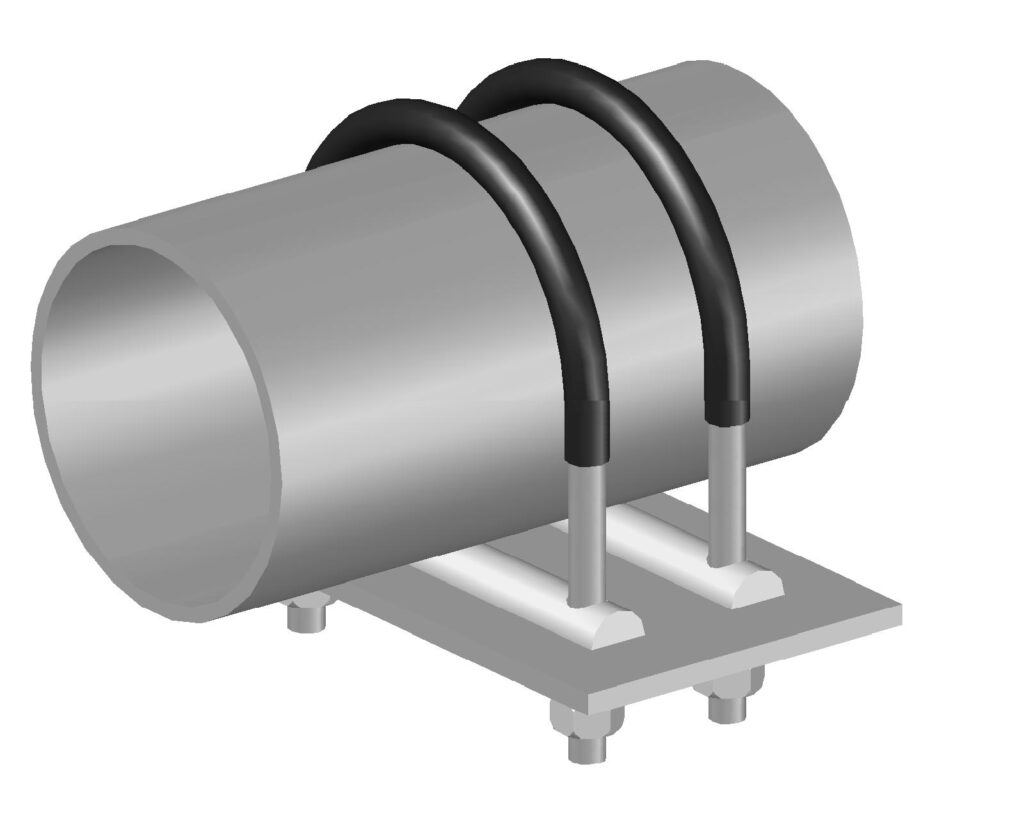
  • Pipe and Tube Fastening: U-bolts are commonly used to secure pipes, tubing, and conduit to support structures or mounting brackets. They provide a stable and adjustable connection for plumbing and electrical systems.
  • Marine and Coastal Environments: Stainless steel U-bolts are highly corrosion-resistant, making them ideal for marine applications. They are used to secure equipment, cables, and components on boats, docks, and in coastal settings.
  • Vehicle and Trailer Suspension: U-bolts are used to secure leaf springs in automotive and trailer suspension systems. They provide strength and stability to the suspension components.
  • Construction and Building: U-bolts are used in construction to anchor beams, columns, and support structures. They are also employed for attaching hardware to steel and concrete.
  • HVAC and Plumbing: In heating, ventilation, air conditioning (HVAC), and plumbing systems, U-bolts are used to secure ductwork, pipes, and related components.
  • Antenna Mounting: U-bolts are utilized to secure antennas and satellite dishes to masts, towers, and other support structures.
  • Exhaust Systems: Stainless steel U-bolts are commonly used to attach exhaust pipes and mufflers in automotive and industrial exhaust systems due to their resistance to high temperatures and corrosion.
  • Railings and Fencing: U-bolts are used to attach handrails, guardrails, and fencing to support posts and structures.
  • Industrial Equipment: U-bolts secure equipment and machinery in industrial settings, ensuring stability and minimizing vibration.
  • Renewable Energy: They are used to secure solar panels and wind turbine components to mounting structures.
  • Agriculture: U-bolts are employed in farming equipment and machinery for attaching components and securing loads.
  • Telecommunications: U-bolts are used for mounting and securing antennas, satellite dishes, and communication equipment on towers and poles.
  • Outdoor and Recreational Equipment: They are used in applications like bike racks, trailers, and camping gear for attachment and support.

Stainless steel U-bolts are valued for their durability, resistance to corrosion, and ability to provide a secure and adjustable connection. The specific application will determine the size, material grade, and configuration of the U-bolt used.

stainless u-bolts Read More »

Scroll to Top