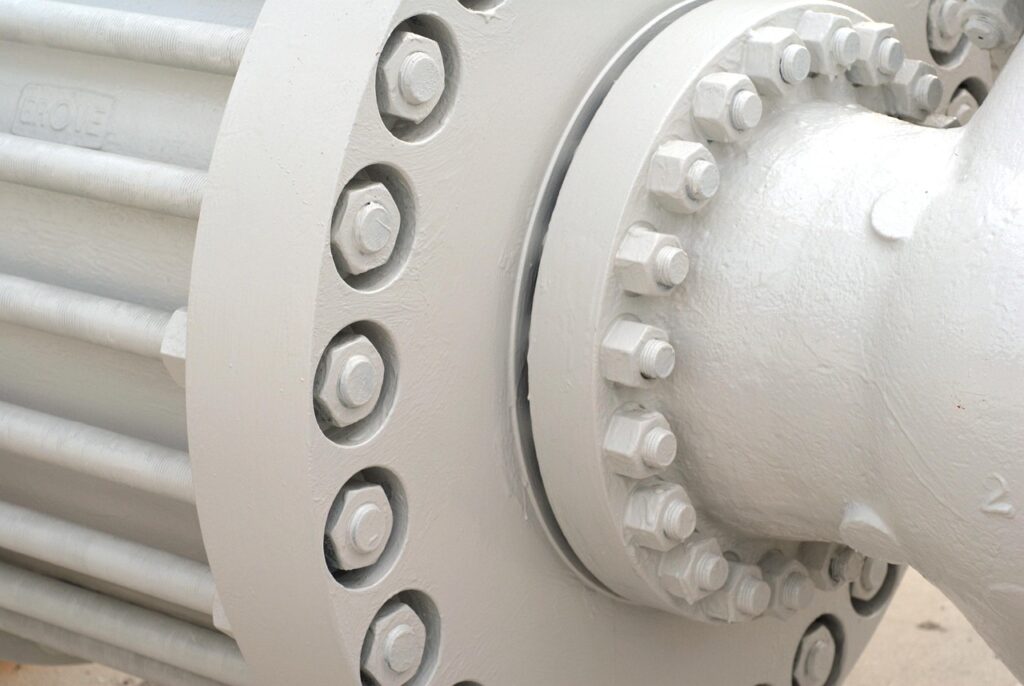
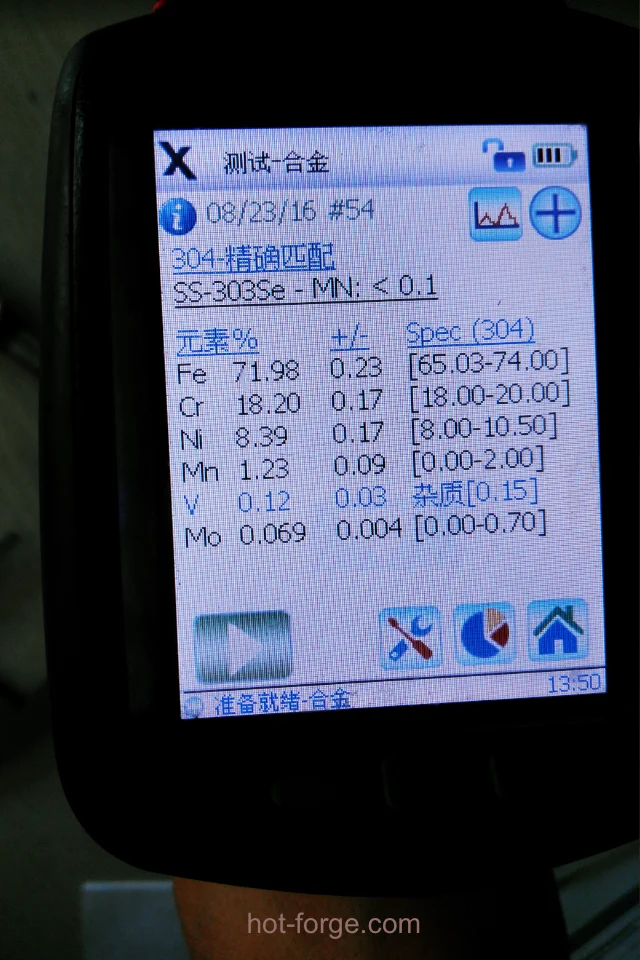
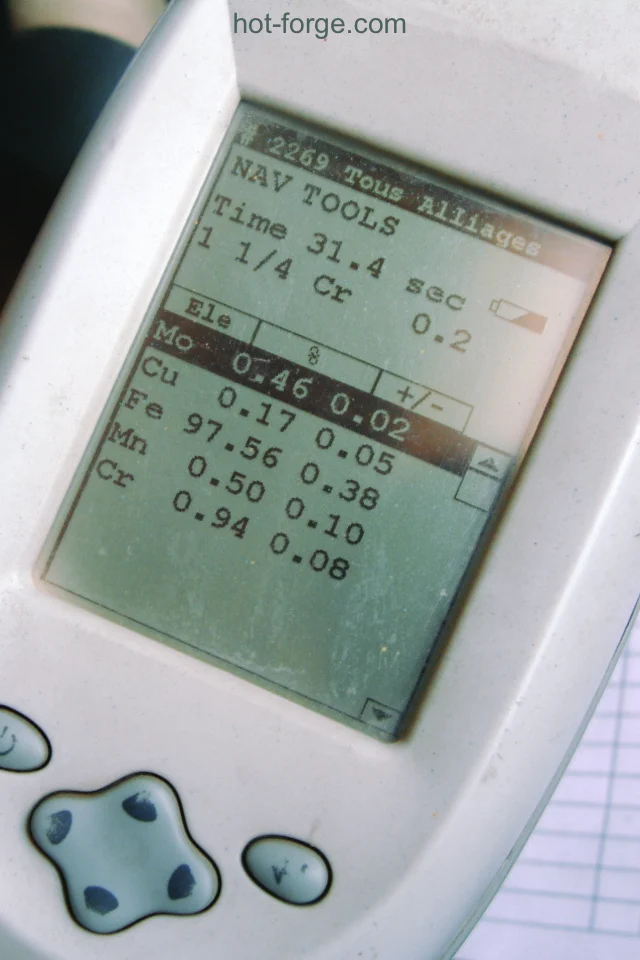
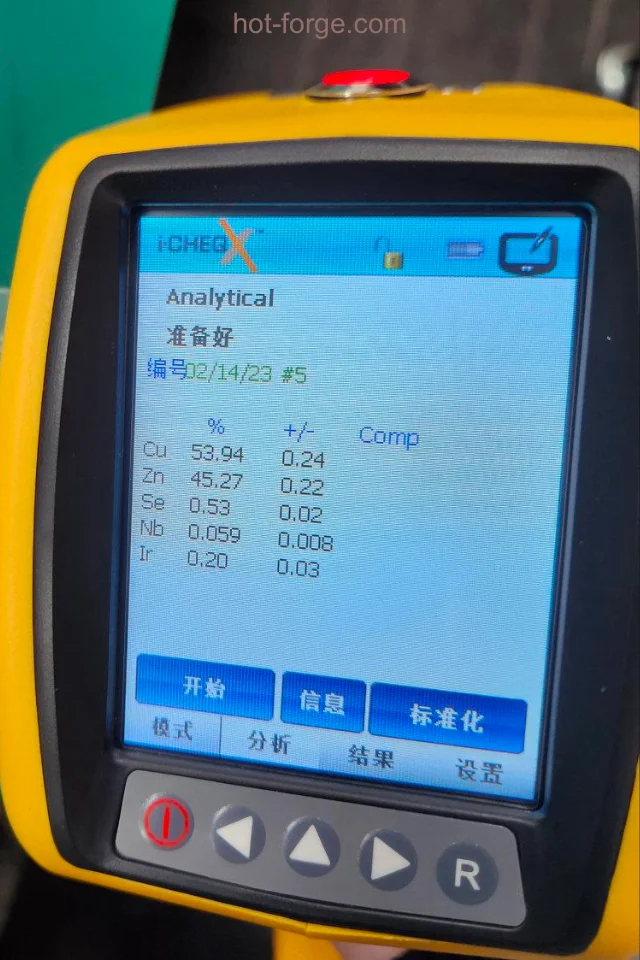
Characteristics of various materials for fasteners
High strength fasteners
High tensile strength, high yield strength, and excellent fatigue resistance are achieved through heat treatment.
Non-Magnetic Properties
Fasteners must not generate any magnetic field interference and must use austenitic stainless steel, copper alloy, or titanium alloy with extremely low permeability.
Corrosion resistant
A core product series specifically designed to combat harsh environments such as high salt spray in the ocean, chemical acidity and alkalinity, outdoor wind and rain, underground moisture, etc.
High temperature resistance
Specially designed for maintaining specified mechanical strength, oxidation resistance, and creep resistance in high temperature environments (usually above 300 degrees Celsius).
Cryogenic Resistance
The material is required to pass the Charpy Impact Test at -196 degrees Celsius (liquid nitrogen temperature), maintain sufficient impact energy (Joule), and never break. Austenitic stainless steel (SS321) or special low-temperature alloy steel (such as ASTM A320) is usually selected.
Fatigue Resistance
During operation, firmware is often subjected to thousands of alternating loads (vibrations, repeated tension and compression) instead of dead force. Even if the stress is much lower than the tensile strength, the bolt will produce small cracks and suddenly fracture after long-term operation.
Selecting the right metal alloy is more than just checking a standard catalog—it is about balancing mechanical limits, environmental hazards, and total cost of ownership. At HOTFORGE, our in-house metallurgical and application engineers do not just take orders; we partner with you to identify, verify, and recommend the most optimal materials for your specific project demands.