
How are wedge anchors SS304 manufactured, divided into several steps?

The production process of wedge anchors SS304 (High-quality Wedge Anchors made from stainless steel, offering excellent strength, durability, and corrosion resistance for concrete and structural applications) involves the following steps:
1. Material Preparation
-
-
Raw Material Selection: High-quality carbon steel or stainless steel (e.g., 304, 316) is typically used to ensure strength and corrosion resistance.
-
-
-
Material Processing: Steel is cut into appropriate lengths for subsequent processing.
-

2. Forming Process
-
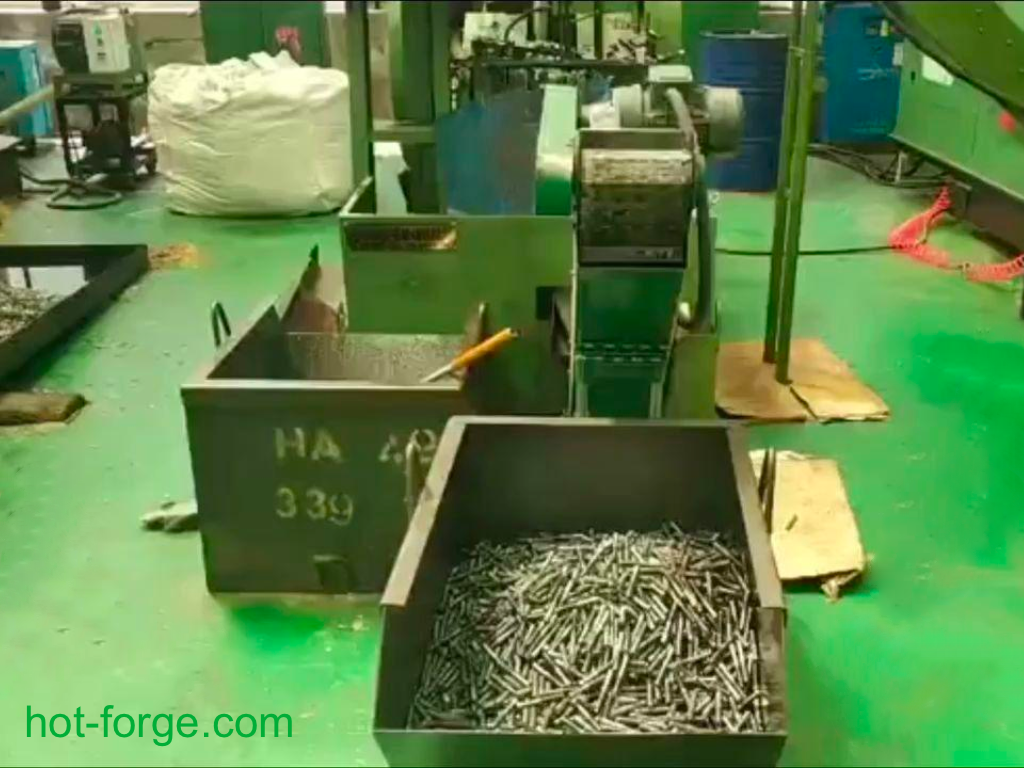
- Bolt Processing: Bolts are formed using cold heading or hot forging techniques, followed by thread rolling to create threads.
- Sleeve Processing: Steel pipes are cut and shaped into sleeves, with holes or patterns added to enhance expansion performance as per design requirements.
3. Heat Treatment
-
- Bolts and sleeves undergo quenching and tempering to improve hardness and mechanical properties.

4. Surface Treatment
-
- Plating or Coating: Common treatments include galvanizing or electrophoretic coating to enhance corrosion resistance.
- Cleaning: Removes surface oil and impurities.

5. Assembly
-
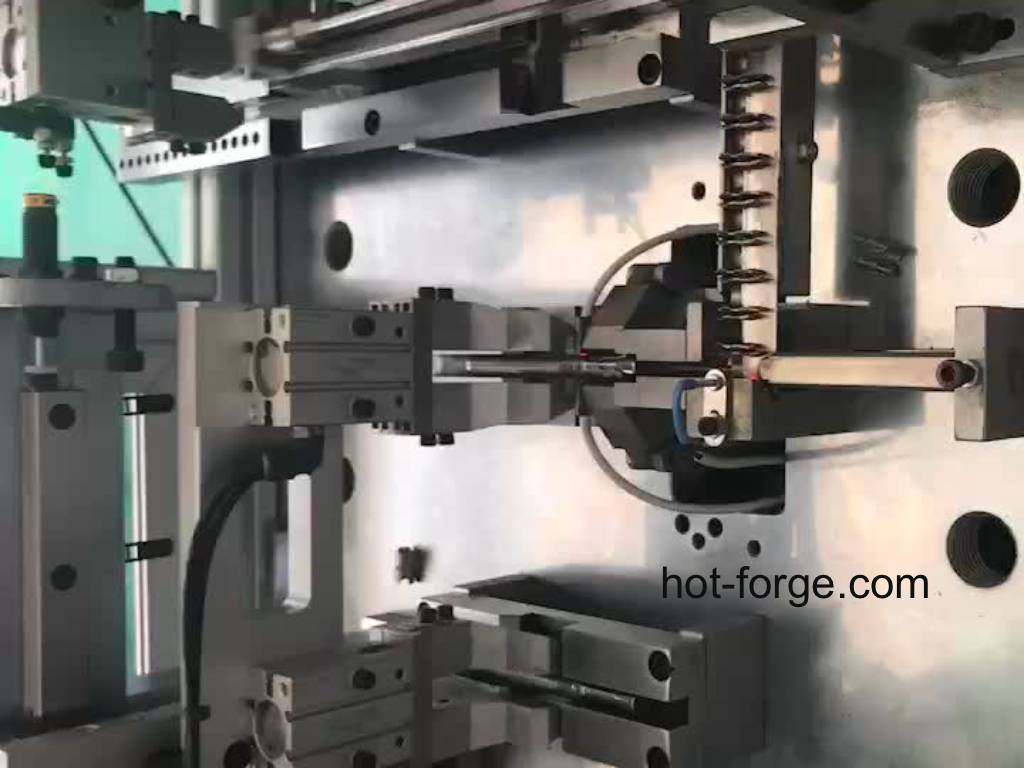
- Bolts, sleeves, and expansion components (e.g., tapered heads) are assembled, ensuring dimensional accuracy and functional compatibility.
6. Quality Inspection
-
- Tests are conducted for dimensions, hardness, surface quality, and expansion performance to ensure compliance with design specifications.
7. Packaging and Delivery
-
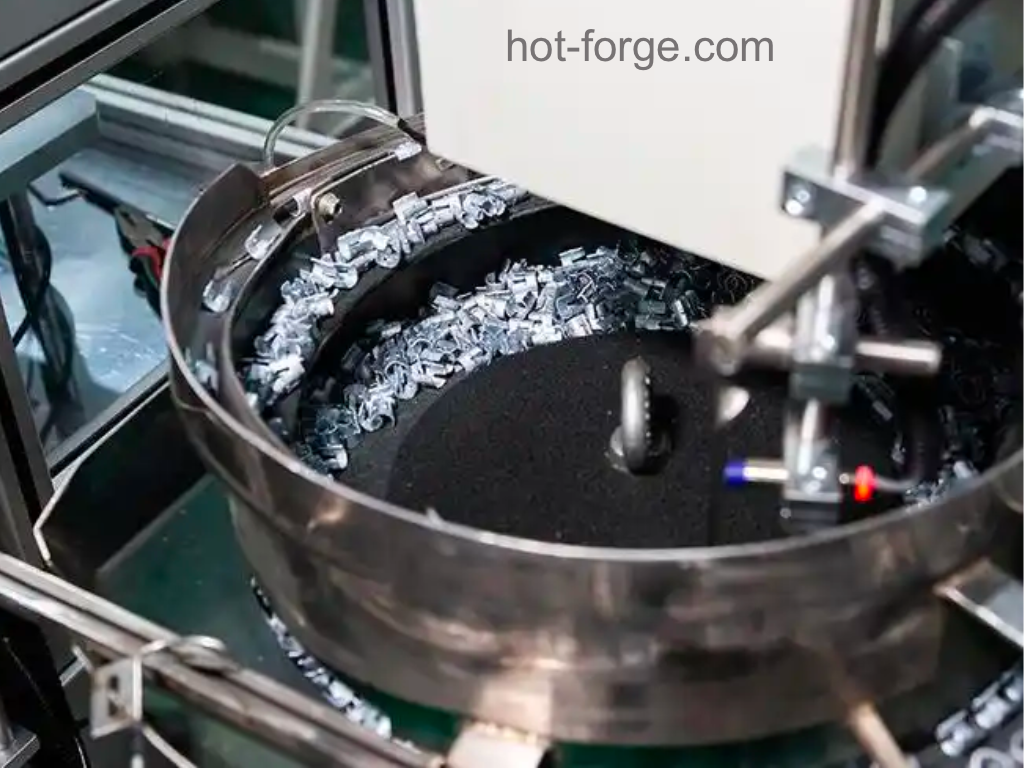
- Products are packaged according to customer requirements, labeled with specifications and usage instructions, and prepared for shipment.

This production process ensures that car repair expansion bolts are reliable in terms of load-bearing and pull-out performance, making them widely used in construction, installation, and mechanical fastening applications.